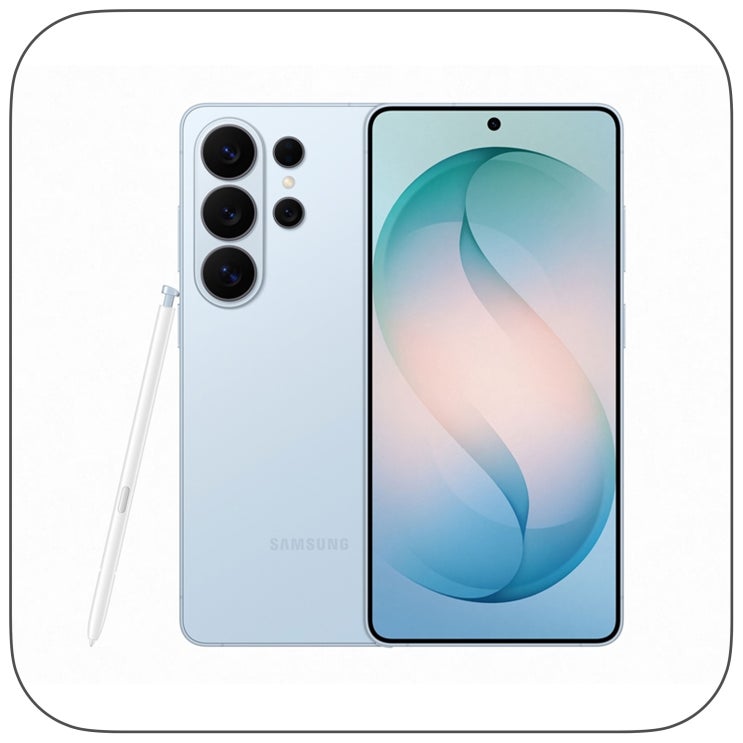
When choosing a smartphone, many people focus first on the camera, AI features, or storage capacity. However, the part you actually spend the most time looking at every day is the screen. Considering the time spent watching videos during commutes, selecting photos, reading messages, or writing blog posts, display quality has a bigger impact on satisfaction than you might expect. Recently, discussions about the Galaxy S27's OLED display have started appearing even in car tech circles. While it's too early to confirm details about the next model, it's worth understanding why talks about OLED suppliers and panels often come up when choosing a Galaxy phone. It’s not just about having a bright and clear screen.
Why OLED Matters
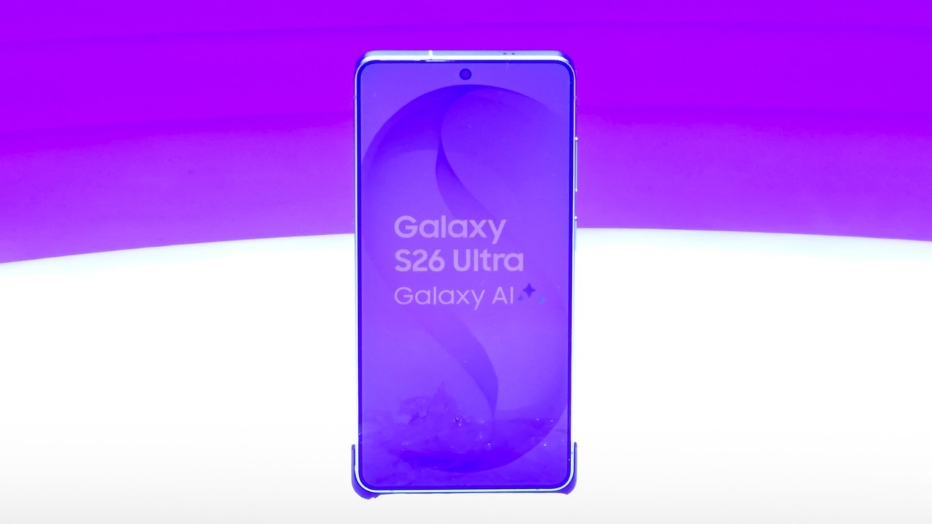
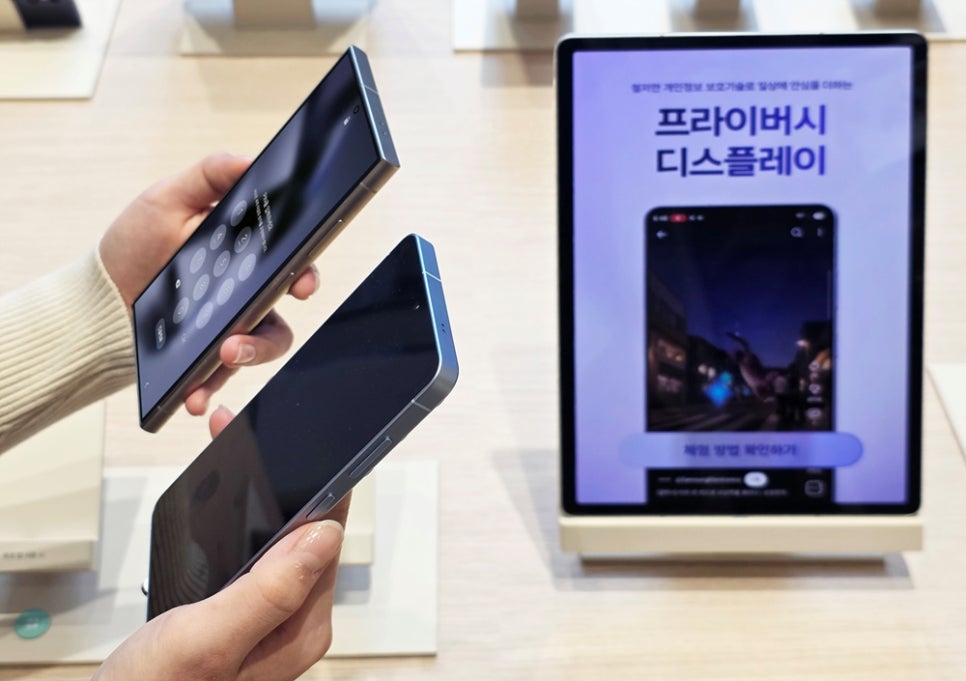
Smartphone performance has largely leveled out these days. For everyday use, differences in app launch speeds or camera shutter times often go unnoticed. Instead, factors users feel daily—like screen quality, battery life, heat management, and AI features—have become more significant. According to Samsung's newsroom material on the Galaxy S26 series, features like Dynamic AMOLED 2X displays, 1–120Hz refresh rates, and image quality enhancement solutions are highlighted. These specs may sound familiar, but in real use they translate to smoother screen motion, richer colors, better outdoor visibility, and improved power efficiency. The Ultra model also introduced a privacy display that limits visibility from the sides. This shows that display technology now encompasses not only brightness and clarity but also privacy protection in the AI era and screen usage environments.
What Matters More Than OLED Suppliers
When smartphone display issues arise, people often first ask who supplies the panel. Of course, the panel used is important, but what everyday users can more easily assess before purchase is screen brightness, color accuracy, viewing angles, power consumption, and comfort during extended use. For example, if the screen is hard to see outdoors while using navigation or taking photos, even the best camera performance becomes frustrating. On the other hand, excessive brightness and vivid colors indoors at night can strain your eyes. So it’s crucial not only to check peak brightness but also how the screen reacts to auto-brightness adjustment and low-light conditions. OLEDs excel at deep blacks and high contrast, preserving detail in dark scenes and delivering vibrant colors. However, in settings where screens stay on for a long time, apps with fixed interface elements, or repeated high brightness usage, concerns about burn-in remain.
Screen Experience from a Longtime Galaxy Smartphone User
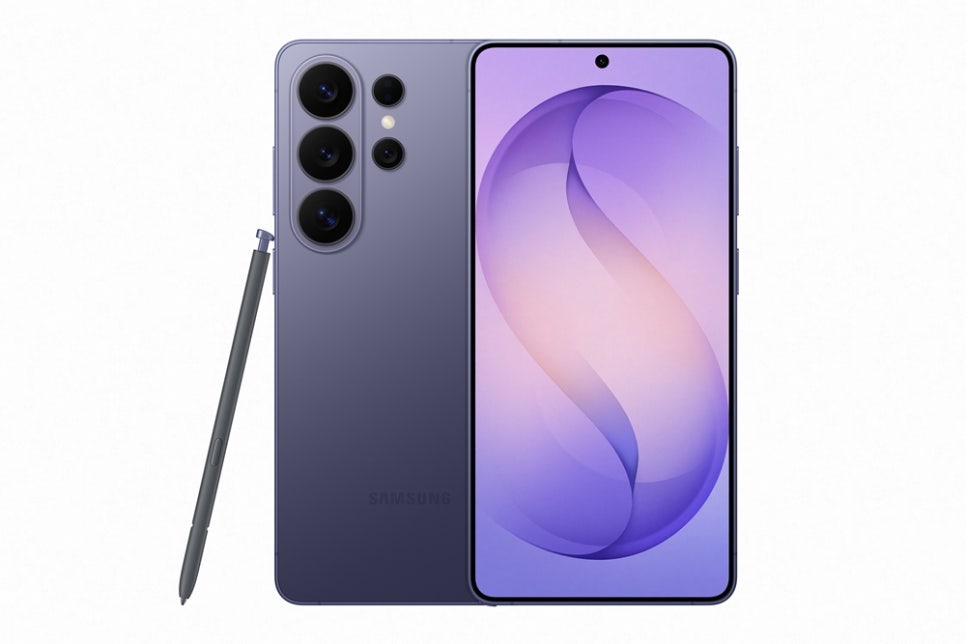
When I look at smartphones, I focus less on flashy features at launch and more on whether they remain comfortable to use a year later. Tasks like blogging, photo reviewing, and mobile web management involve long hours of screen time, making factors like eye fatigue, brightness adjustment, and color exaggeration more noticeable than resolution.
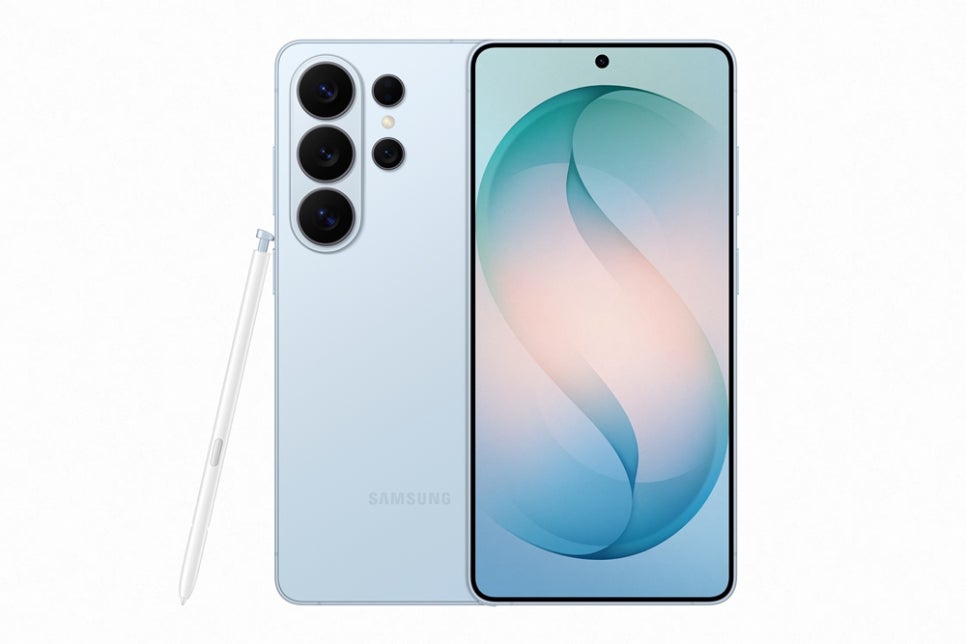
Galaxy smartphones offer detailed screen settings. Some users prefer a vivid display, others favor natural color tones. These differences become more apparent after days of use, not just brief store visits. So before buying, it’s best to compare the same photos, videos, or web pages across several models. Especially for those who take many photos, display color accuracy can affect judging shooting results. Sometimes an image looks great on one screen but appears different on another monitor or phone. For bloggers or online sellers who frequently handle images, this is a key consideration.
Why AI Features and Displays Are Both Crucial
Recently, smartphones have been emphasizing AI capabilities. Features like photo editing, call summarization, search, translation, and document organization keep expanding. But the final point of interaction for these functions is ultimately the screen. Viewing, evaluating, editing, and sharing AI-generated content all happen on the display.
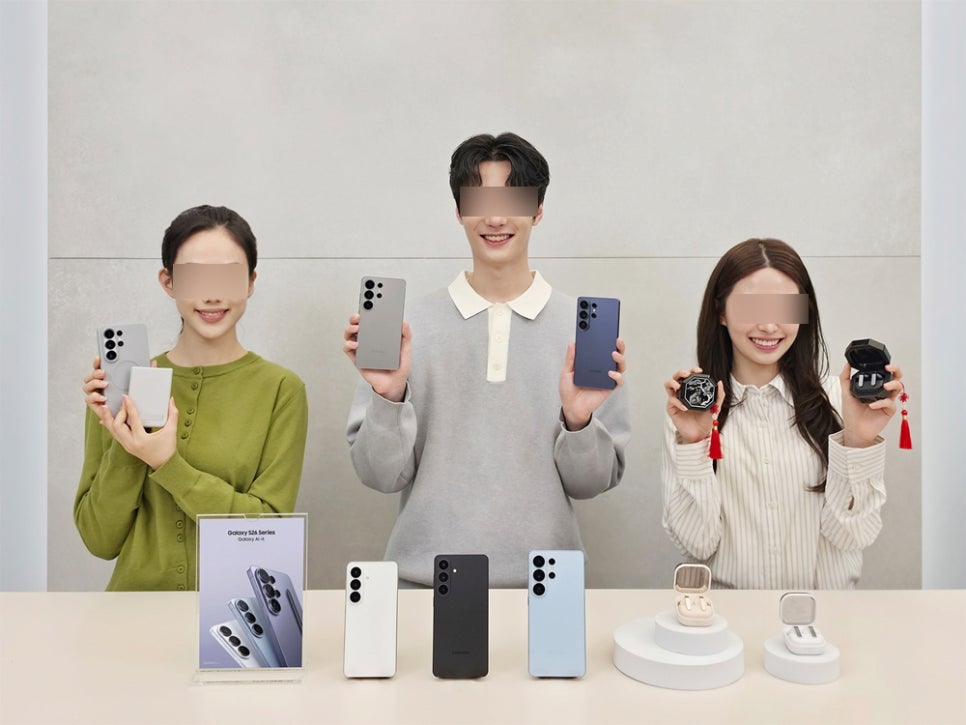
Samsung’s emphasis on privacy displays with the Galaxy S26 series fits within this trend. As AI features multiply, personal information appears more often on screen. In close spaces like subways, cafes, or offices where other people are near, screen security becomes part of usability. So if you’re waiting for the next Galaxy, it’s worth looking beyond just the chipset or camera megapixels. Consider what kind of OLED it uses, how bright the screen is, how tiring it feels during long use, and how privacy features integrate with your screen experience.
When Should You Prioritize Display Quality?
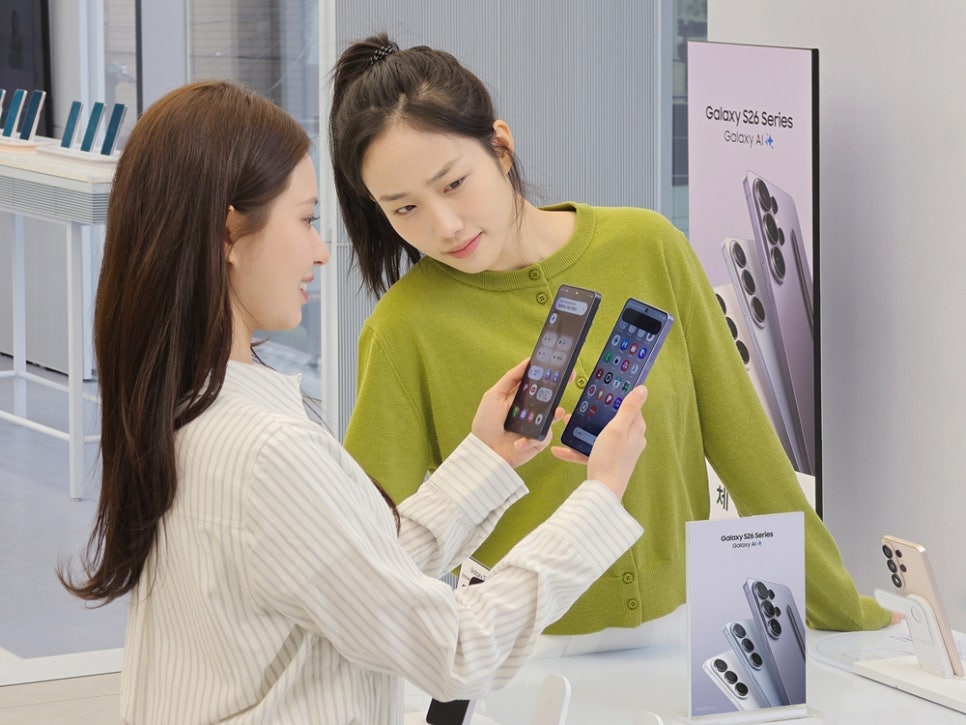
If you spend a lot of time watching videos, selecting photos, or using your smartphone outdoors for extended periods, screen differences matter most. Especially for bloggers, online shop owners, or social media users dealing with image colors frequently, OLED quality closely ties to purchase satisfaction. On the other hand, if your main phone activities are calls, messaging, and basic search, high-end displays might not be essential. In that case, considering price, battery life, weight, and storage might be more practical. Better screens increase satisfaction, but if your usage time is limited, choosing the best display could be overkill.
About the Galaxy S27 OLED Issue
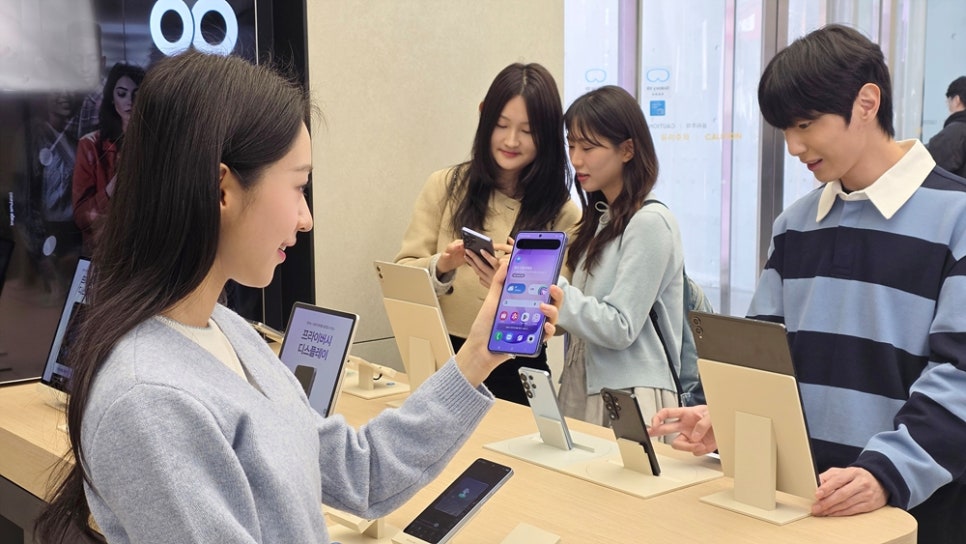
The Galaxy S27 OLED discussion isn’t about confirming exact product details yet—it’s more of a signal to inspect smartphone displays more carefully when buying. While a phone is a device you hold in your hand, more than half of the user experience happens on the screen. When choosing your next phone, don’t just focus on cameras, AI, or performance; pay separate attention to the display. Check if it’s visible outdoors, comfortable at night, whether the colors are too exaggerated, and if there are any concerns with long-term use. Comparing these factors directly will make your choice much easier.