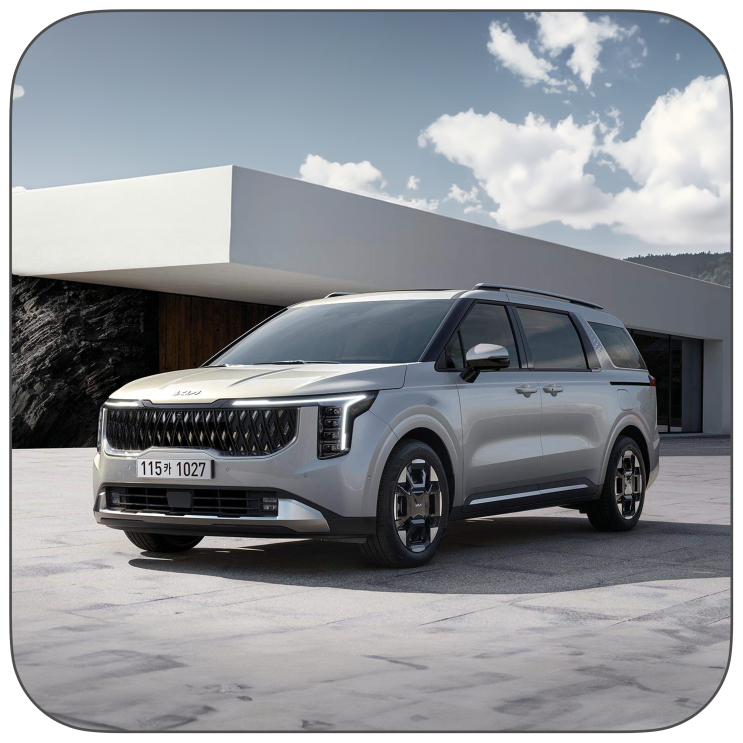
The Carnival Hybrid has caught attention again not just because of its fuel efficiency. Nowadays, when choosing a family car, people consider whether the vehicle will primarily carry kids, serve for trips with elderly parents, or even be used for weekend car camping. The roles one car needs to fulfill have broadened significantly compared to before.
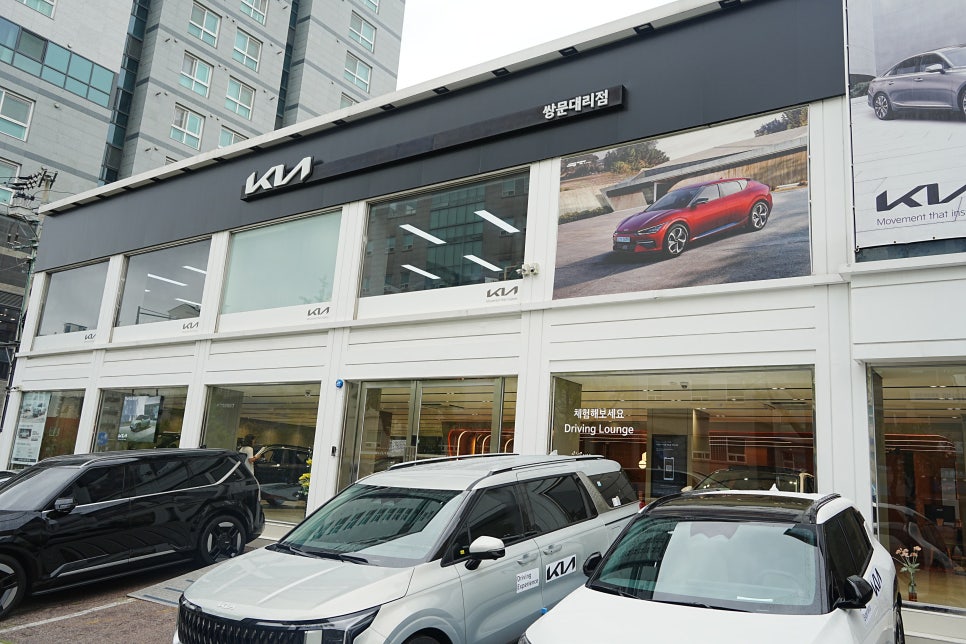
Today’s popular car tech posts featured stories about semi-camping cars built from the Carnival Hybrid and docking tents. This trend feels quite natural. Originally a strong family mover, the Carnival with its hybrid powertrain now offers options that combine better fuel costs and quietness.
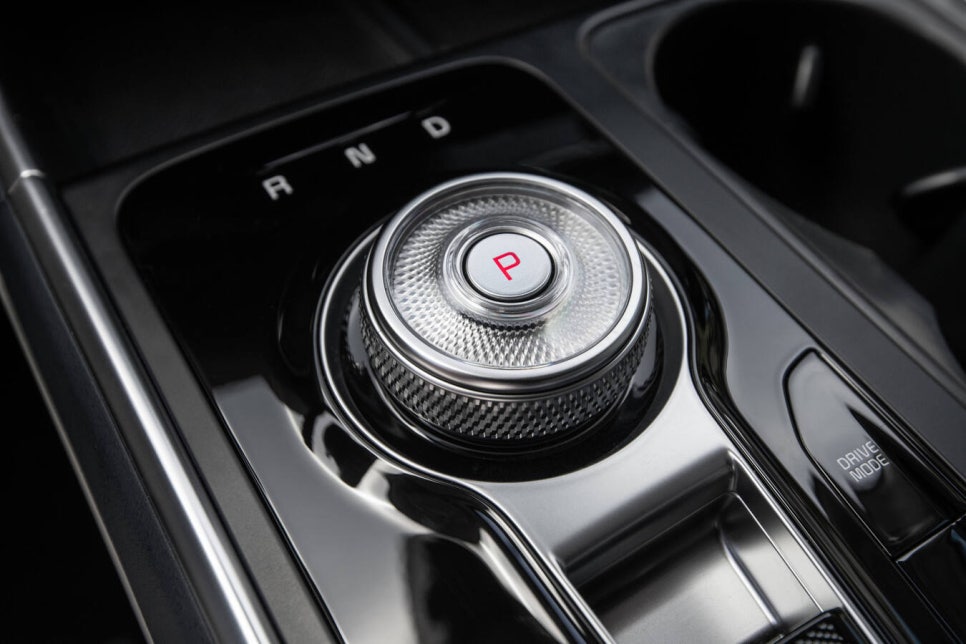
The reason the Carnival Hybrid continues to be viewed as a great family car is simple: while it's not an SUV, it’s often compared to large SUVs when selecting a family vehicle. The key is ease of getting in and out when using the 2nd and 3rd rows, plus the natural flow of carrying both passengers and cargo. Families with kids or often driving parents around immediately notice this difference. The hybrid model adds the benefit of reduced city driving burden. When driving a big vehicle daily, fuel costs and cabin quietness usually matter more than the size. That’s why the Carnival Hybrid is not just a vehicle for large families but increasingly seen as a family car that covers everyday needs and weekend leisure.

The persistent popularity of the Carnival for car camping and camping trailers comes down to space utilization. Without seeking an SUV dedicated to car camping, the Carnival easily lets you create indoor living space by using the 2nd and 3rd rows. Adding docking tents, leveling mats, and simple storage setups converts it into a semi-camper.
However, having a big vehicle is not always the best for car camping. Practical considerations include how easily it levels out, storage options, heating and cooling methods, and how to secure power at campsites. While the Carnival Hybrid has ample room, organizing the flow and placement of camping gear becomes important once you load a lot.
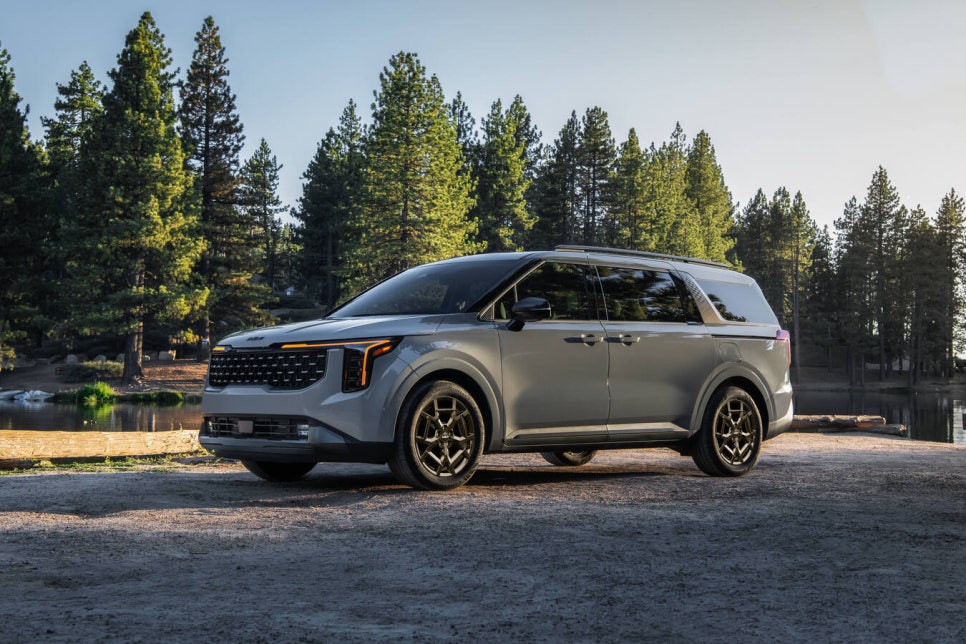
A docking tent connects the inside and outside of the vehicle. With a spacious interior like the Carnival’s, attaching a docking tent divides sleeping and living areas. The car interior becomes the bedroom, while the tent serves as dining or gear organization space.
Installation difficulty is key here—regularly attaching and detaching the tent at campsites can get tedious, making frequent use impractical. When traveling with family, you also need to consider setup time, usability during rain, and stability in windy conditions. Thus, satisfaction with Carnival car camping depends not only on the vehicle but also on the gear combination.
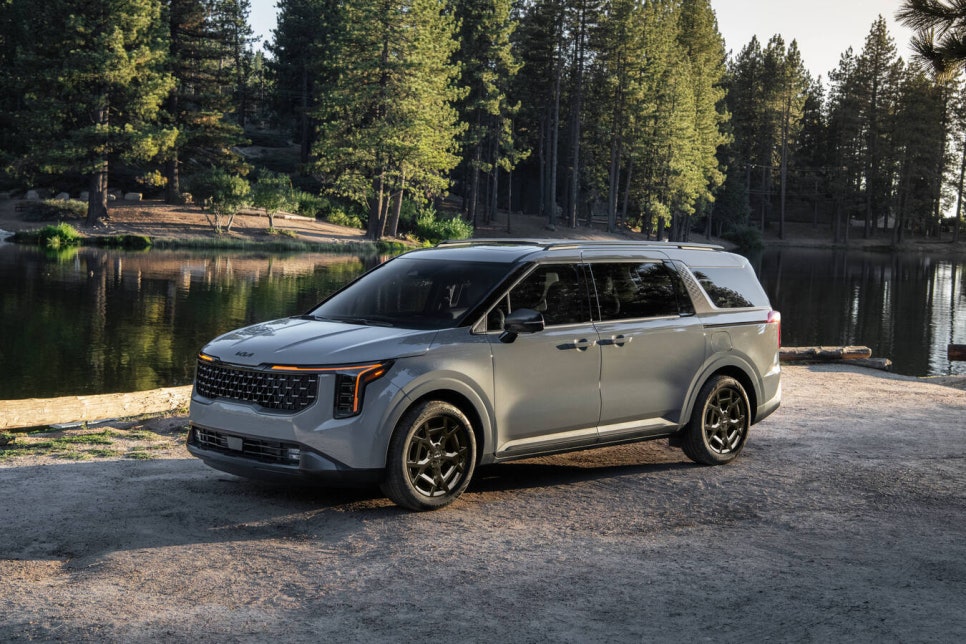
When choosing a large vehicle, hybrid powertrains offer surprisingly practical benefits. They allow quiet movement in congested city traffic and reduce fuel expenses during daily commutes and family trips. For large models like the Carnival, these differences become more apparent.
Although fuel economy varies with driving conditions, especially when carrying heavy camping gear or traveling long distances, the Carnival Hybrid deserves a look if you’re worried about the usual costs of a large gasoline vehicle. It suits families who want a car that handles everyday use and weekend leisure well.

Before viewing the Carnival Hybrid as a car camping vehicle, check its seating configuration. The 7-seater, 9-seater, high-limousine, and standard models serve different needs. Your choice will depend on whether family transport is the priority, or car camping, and how much camping gear you’ll carry.
Parking and storage are also important considerations. The Carnival’s roomy interior means a large body, so think about places you visit regularly—apartment basement parking, mechanical parking garages, and campsite roads. While convenient as a family car, daily city driving might bring parking challenges.
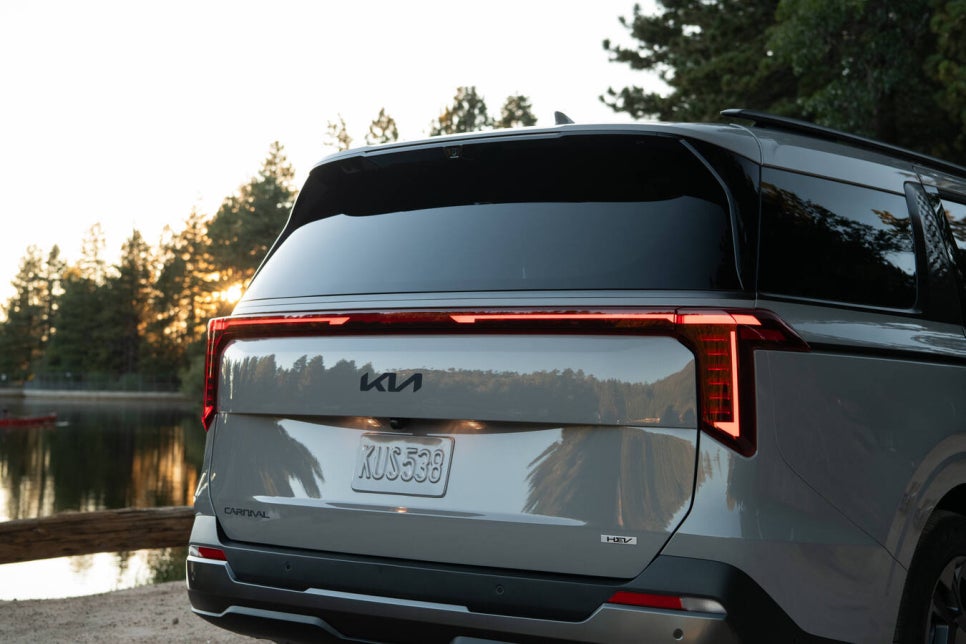
If you often travel with family and occasionally consider weekend camping or car camping, the Carnival Hybrid is a very realistic option. It offers easier access and space use compared to 3-row SUVs, plus the quietness and fuel savings of a hybrid compared to typical minivans.
On the other hand, if you drive mostly alone or frequently navigate narrow city streets and tight parking spots, it might feel cumbersome. Imagining car camping once or twice is very different from regularly loading gear and moving around. Before buying, you should evaluate your family makeup, amount of gear, and parking environment.
The Carnival Hybrid isn’t just a trend; it reflects how family cars today increasingly handle weekend outdoor activities, a role the Carnival naturally fits. However, before focusing on car camping equipment, understand your everyday life, family needs, parking, trip distances, and camping frequency to avoid regrets. While attractive for families needing a big car, it’s not a light choice for everyone.