.jpg?type=w966)
The 2026 electric vehicle (EV) subsidies remain a topic worth following. However, whether you can apply right now depends on several factors. While the national subsidy guidelines have been finalized, actual application eligibility varies based on your local remaining subsidy quotas, vehicle delivery schedules, and municipal announcements. Until last year, when considering EV purchases, people mainly focused on whether subsidies were decreasing or the cost of charging.

This year, you also need to consider conversion incentives, additional regional quotas, and whether manufacturers are participating in insurance programs. It’s no longer a simple matter of “can I get the subsidy now?”—there are more things to check before signing a contract. The 2026 EV subsidy program is already underway.
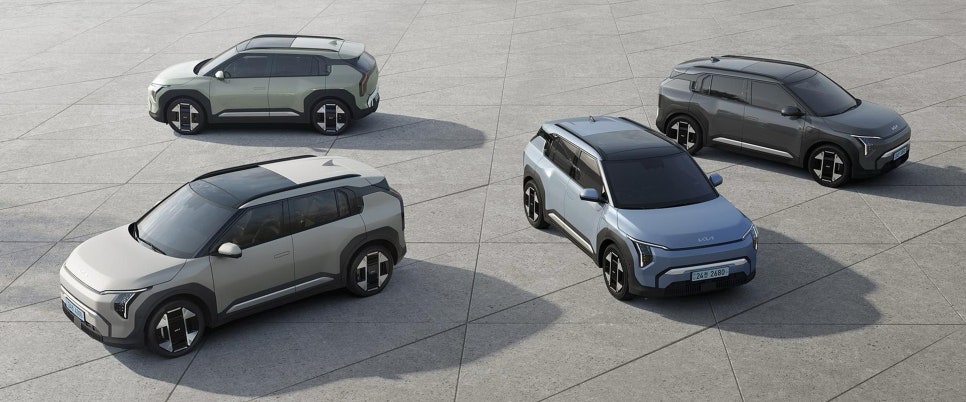
The government has finalized the 2026 EV subsidy processing guidelines, and you can check national subsidy amounts by vehicle model through the Integrated Zero Emission Vehicle Portal. So, the program isn’t closed or unavailable yet.
Those planning to buy an EV this year should first check both the national subsidy for their desired model and local government announcements. However, subsidies can be confusing if you think you apply personally after purchasing the vehicle. Usually, dealerships apply through the government’s subsidy support system after you sign a contract, and subsidies are paid after delivery and vehicle registration. From the consumer’s point of view, it’s important to confirm whether the vehicle is eligible, delivery is possible, and the local budget is still available.
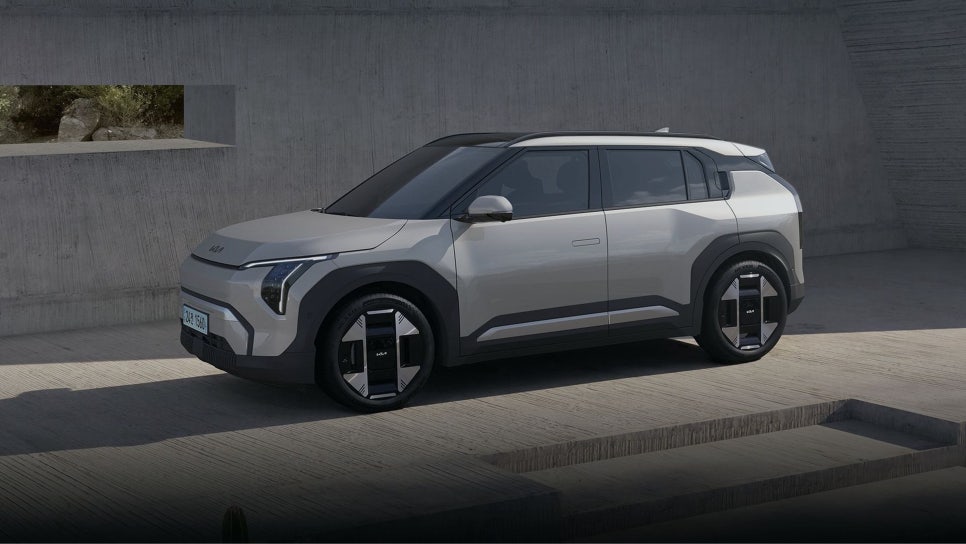
Currently, eligibility varies by region. In Seoul, applications opened on January 26, 2026. Additionally, in May, an extra budget was added to increase the number of EV subsidies available in the first half of the year. So, if you live in Seoul, instead of assuming “it’s already over,” it’s worth rechecking available quotas and remaining budgets by vehicle model.

In Incheon, the first round of the first half-year subsidy program ran out early for some models, and an announcement for additional quotas came alongside it. Any leftover quotas by the end of the first phase will be carried over to the second half-year subsidy program. Though Seoul and Incheon are both in the metropolitan area, their situations differ, so it’s best to check by the specific local area name.
Gyeonggi Province is pushing to expand EV and hydrogen vehicle subsidies on a provincial level, but it’s hard to decide based only on the overall provincial announcement. You should verify the announcements for cities like Suwon, Seongnam, Goyang, and Yongin, as well as check the remaining subsidies by region on the Integrated Zero Emission Vehicle Portal.
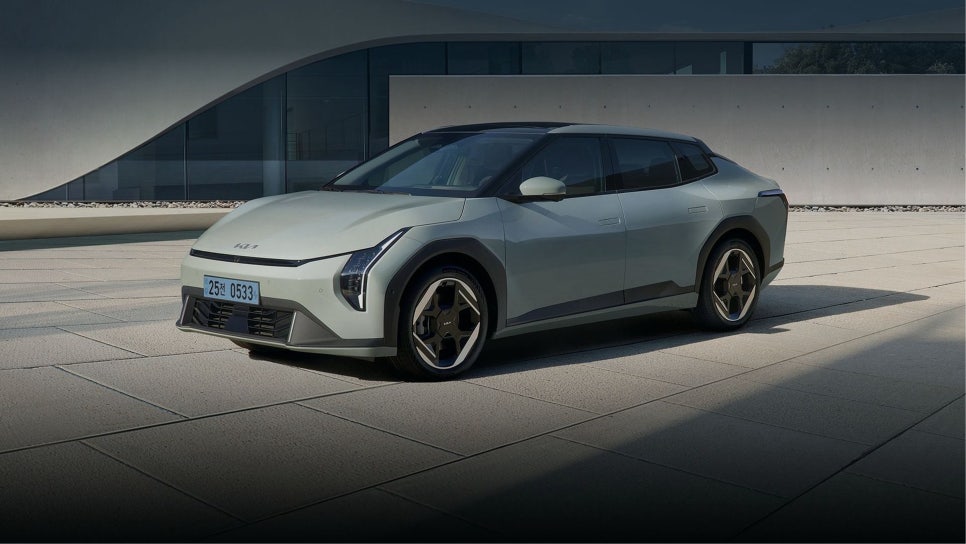
One notable change this year is the introduction of a conversion incentive for switching from internal combustion engine cars to EVs. This extra support is available when you dispose of your old car and purchase an EV, making it important for those planning to replace aging vehicles.
But not every EV buyer gets the same conversion incentive amount. It depends on vehicle price, national subsidy amounts, local government support, and your existing vehicle ownership conditions. If you have already signed a contract, it’s safest to ask your dealer whether the conversion incentive can be applied.
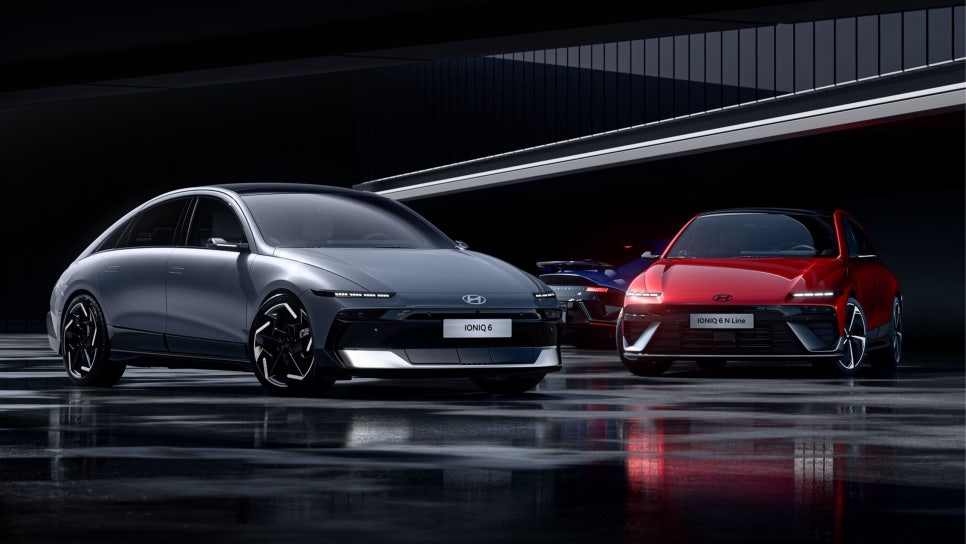
The availability of eligible vehicles for delivery has become more critical. Even with a subsidy budget, if vehicle delivery is delayed, problems can arise. Some local government guidelines prioritize vehicles that can be delivered within a set period after application acceptance, or assign subsidy recipients based on the sequence of delivery and registration.
So, even if you contract a popular model, delayed delivery could mean losing subsidy eligibility. When visiting dealerships, ask not only about subsidy amounts but also three other things: first, if there are remaining quotas for your residence; second, the amounts of the national and local subsidies for your chosen model; and third, whether delivery and registration can be completed within the local government’s set timeframe.
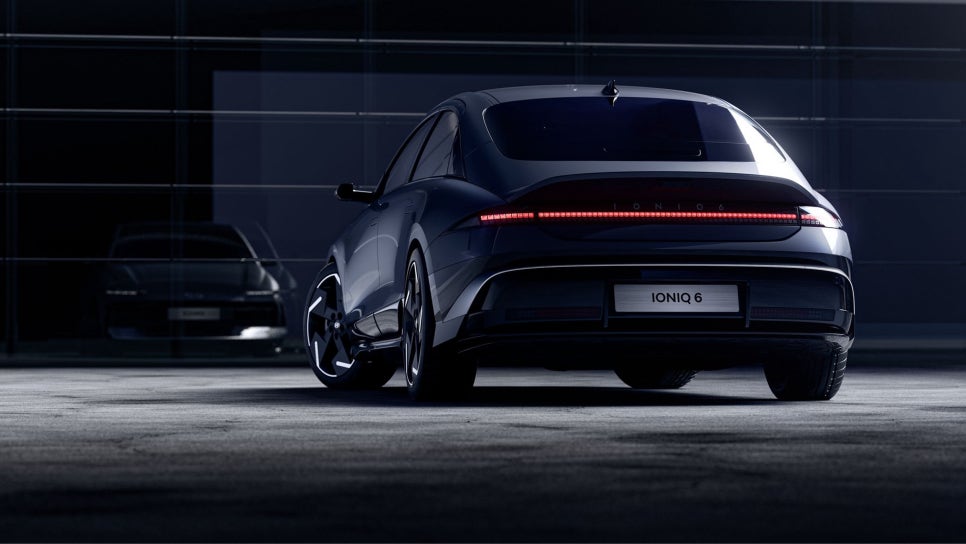
You should also pay attention to insurance conditions in the second half of 2026. The government is introducing an EV fire safety insurance change aimed at minimizing compensation gaps if a third party is harmed in an EV fire.
From the second half of the year, manufacturer or importer participation in such insurance programs might be required for subsidies. If you plan to purchase an EV after summer, this is an important aspect to check. From the consumer perspective, what matters most is whether the brand and model you’re contracting remain eligible for subsidies, rather than the insurance name itself.
Since subsidies depend on policy, model, and manufacturer conditions, a final verification before signing a contract is crucial. When choosing an EV, consider not just the price but also the support conditions at delivery time.
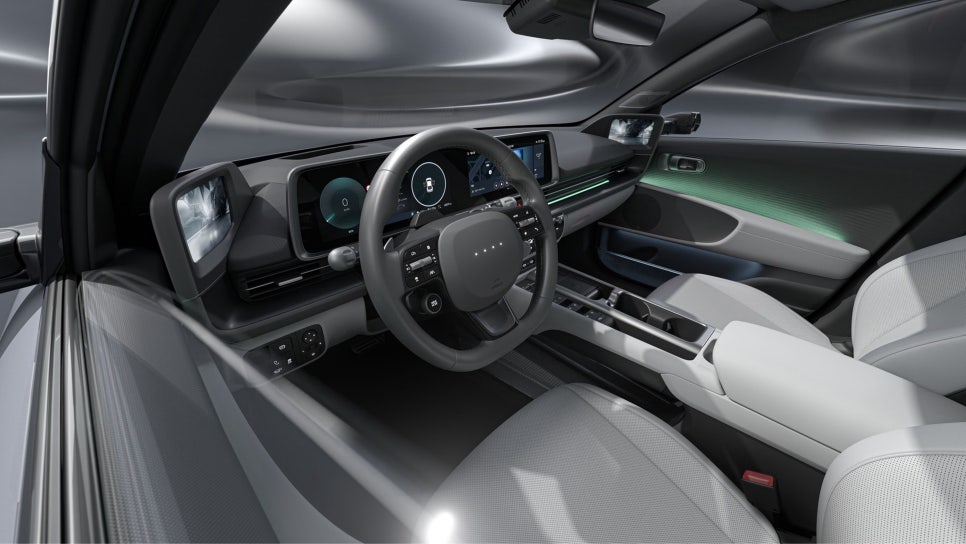
If you’re currently looking into EVs, start by checking the national subsidies for your desired model on the Integrated Zero Emission Vehicle Portal. Next, review your local government’s announcement for application periods, remaining quotas, priority quotas, and delivery conditions.
Finally, confirm at the dealership whether subsidy application is possible upon signing and whether the expected delivery date meets the requirements. Some regions, like Seoul, have already added quotas, while others, like Incheon, saw early closures and await the next allocation. In places like Gyeonggi Province, verifying by city or county is even more important.
Ultimately, subsidy eligibility now depends on “Is it possible in my region and for my vehicle model?” rather than applying universally nationwide.
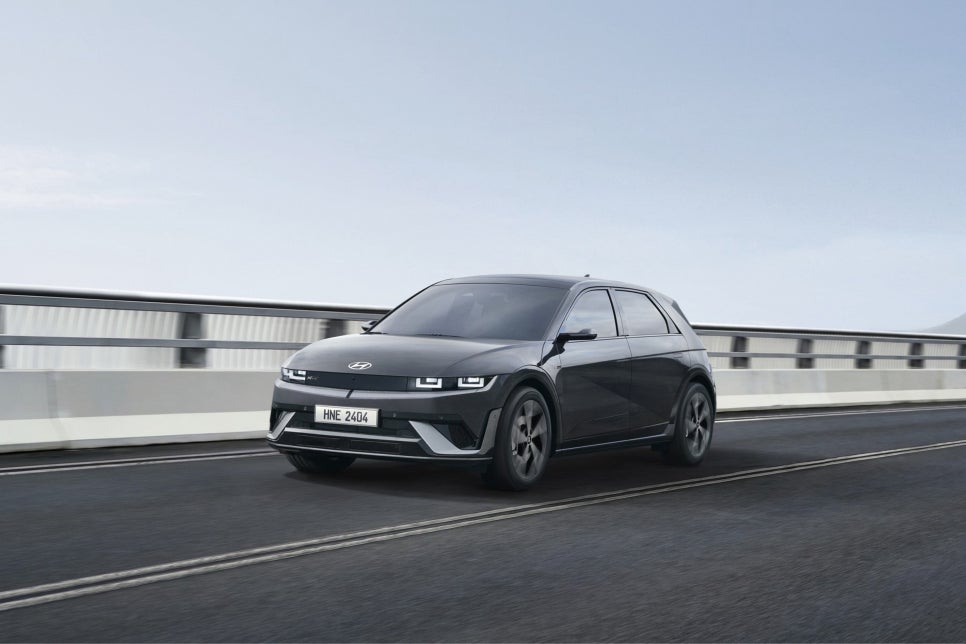
To summarize, some regions currently allow checking and applying for 2026 EV subsidies. But to avoid missing out on benefits, you need to consider regional budget exhaustion, vehicle delivery schedules, conversion incentive criteria, and second-half-year insurance requirements together.
If you’re interested in an EV, don’t just look at the price list—start by reviewing your local government’s announcements and delivery feasibility first. EV purchases have become too complex to rely on subsidies alone. You also need to factor in charging environments, monthly driving distance, home charging availability, and plans to dispose of your existing vehicle.
The key now is not “Is there a subsidy?” but “Can I qualify given my situation?” Checking this difference upfront reduces anxiety after signing a contract.
References - Korea Policy Briefing: 2026 Electric Vehicle Subsidy Processing Guidelines Finalized - Seoul City’s ‘Naesoneun Seoul’: How Much is the EV Subsidy? Summary of Conversion Incentives and Other Benefits - Yonhap News: Seoul City Adds Subsidies for 1,238 EVs in First Half - Incheon Municipal Office: EV Purchase Subsidy Support - Electronic Times: Gyeonggi Province to Expand 2026 EV and Hydrogen Vehicle Subsidies - Integrated Zero Emission Vehicle Portal