.jpg?type=w966)
When writing about cars, conversations about electric vehicles often focus first on driving range and charging speed. But sometimes, when browsing overseas concept cars, it’s more interesting how a vehicle inspires certain scenes or lifestyles rather than just numbers. Renault’s JP4x4 concept fits perfectly into this category. It’s not a model you can buy off the showroom floor.
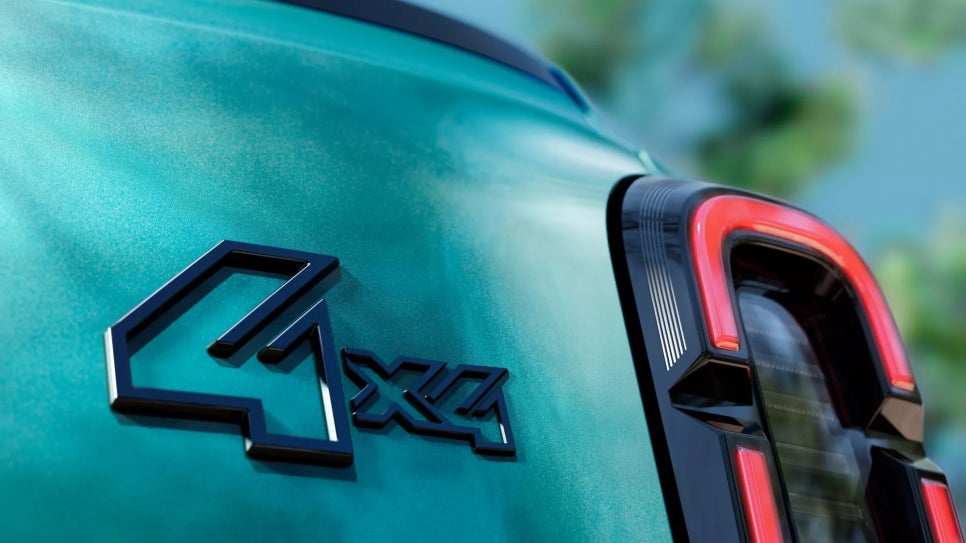
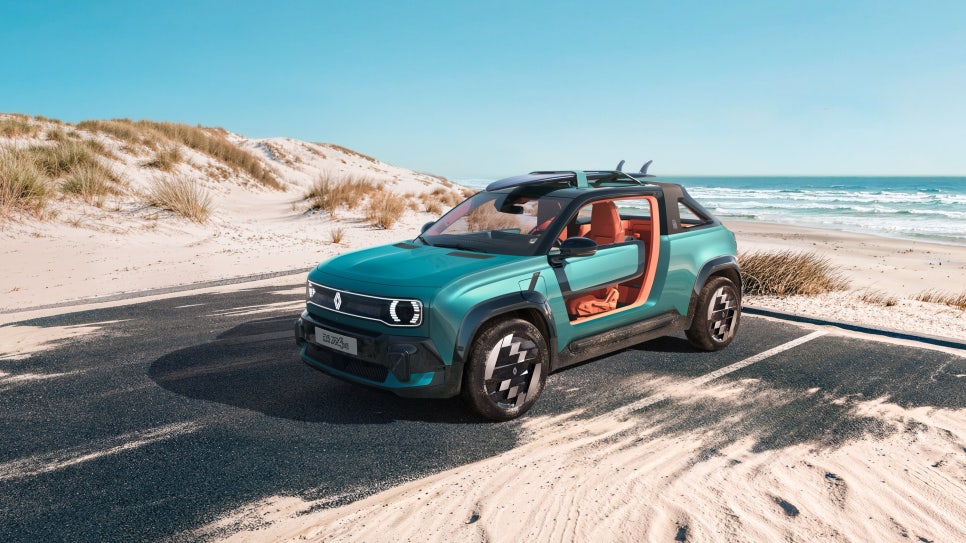
This show car is built on the Renault 4 E-Tech electric platform. However, rather than being a typical electric SUV, it’s an open-top compact electric vehicle concept that evokes thoughts of beaches, surfing, and short getaways, making it quite eye-catching.

Concept background: A modern reinterpretation of the Renault 4’s Plein Air and JP4 versions
Renault unveiled this concept car to coincide with the 2026 Roland Garros French Open. As the name suggests, it’s a contemporary take on the classic Renault 4 Plein Air and JP4 versions. It revives the carefree spirit of the old compact car era, now adapted for the battery-electric age.
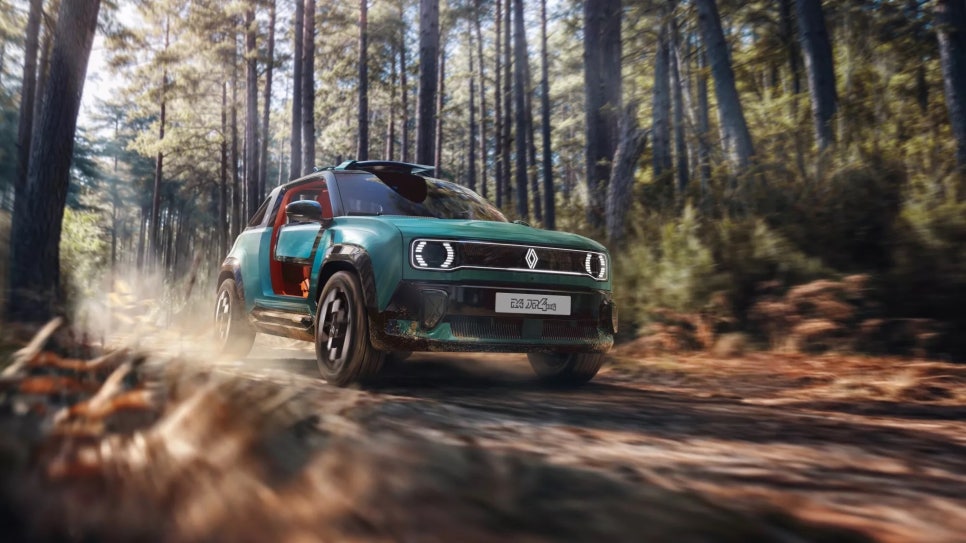
What’s fascinating is that Renault doesn’t treat this car as just a design experiment. They have released several concepts on the same platform, with this being the fourth. The message is clear: a single small car can be transformed for different uses—urban, leisure, or even rescue support.
The open-top body catches the eye
The first feature you notice in the photos is the roof and doors. Unlike typical SUVs with enclosed bodies, this model boldly removes the roof and doors, adopting an open design. It feels less like a soft-top convertible and more like a leisure vehicle designed for easy loading and unloading right by the seaside.

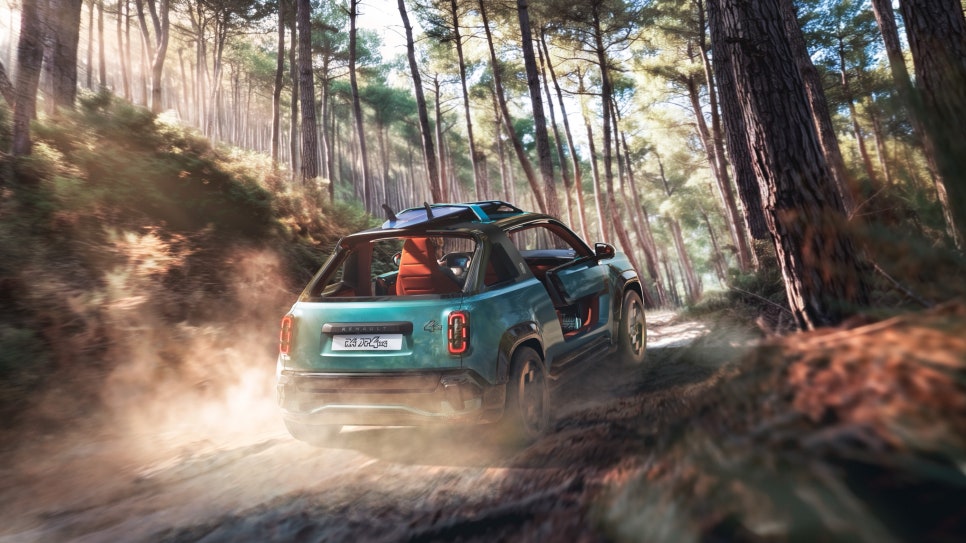
The roof incorporates an X-shaped frame to maintain body rigidity while providing a rack for surfboards. At the rear, the tailgate opens like a pickup truck’s, rather than a hatchback. Considering dragging beach chairs, boards, or small gear in and out, this setup makes perfect sense.
The 4x4 all-wheel-drive setup is unique
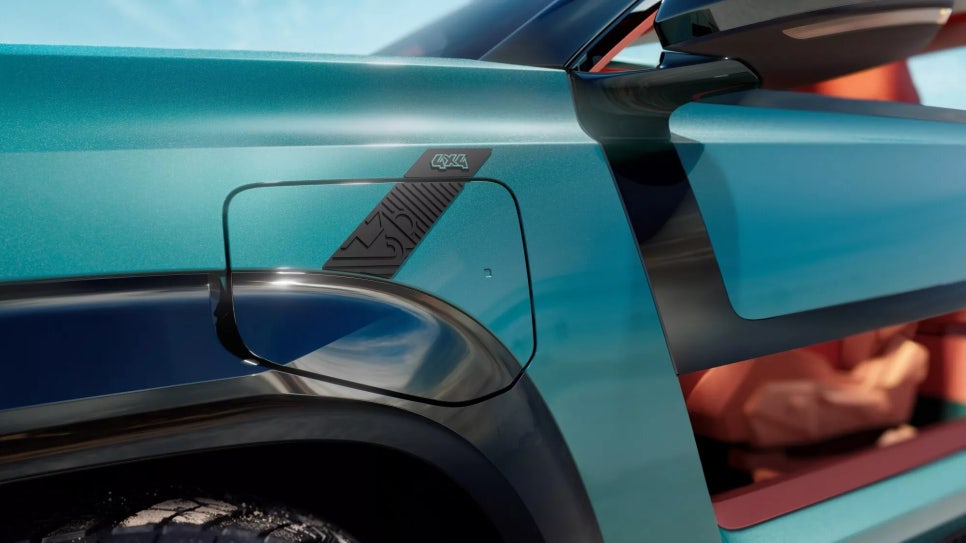
There’s a reason '4x4' is in the name. Renault says it added a rear motor to enable all-wheel drive. While the base model leans more toward city use, this version is designed with sandy paths and unpaved roads in mind.

Of course, it’s not a serious off-roader. The key takeaway is how a small car can evolve to take on vastly different roles just by modifying its platform and drivetrain. The growing variety of electric cars doesn’t just mean more sedans and SUVs competing on range; it means new types of vehicles serving different lifestyles.
The interior looks playful but intentional
Inside, the dominant orange color gives a lighter, brighter vibe than typical production cars. The bucket seats recall Renault’s distinctive 1970s headrest designs, and the dashboard includes handgrips useful for rugged driving.
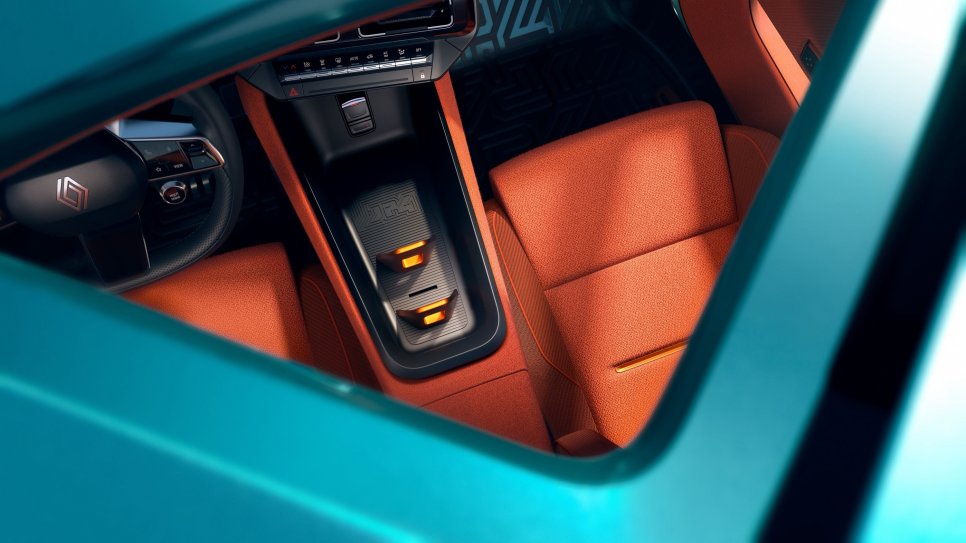
This setup may seem over the top if judged solely by practicality. But concept cars are more about showing direction than immediate sales. This model suggests that beyond quiet and efficient transport, electric cars can become small lifestyle tools for hobbies and leisure.
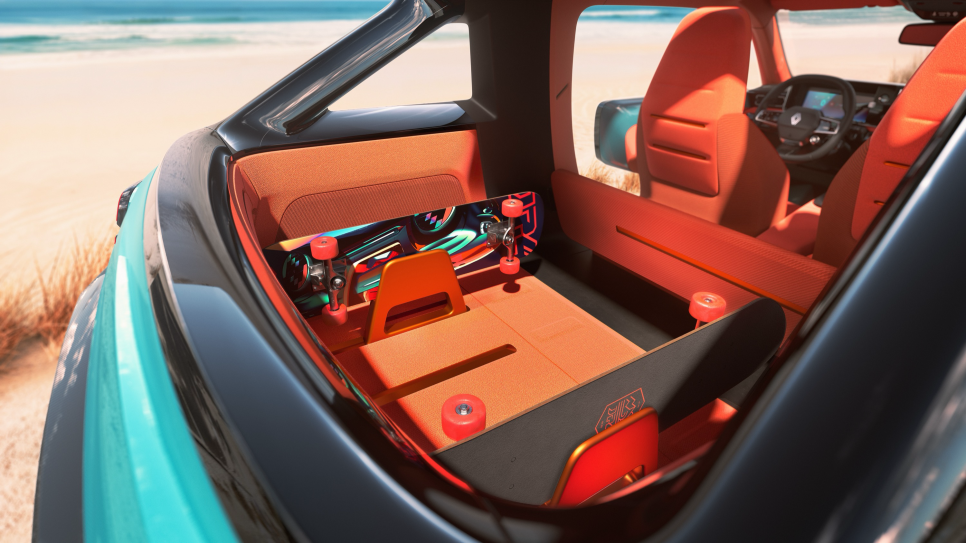
What matters more than production prospects
Renault positions this as a show car, so it’s not something to expect in local showrooms soon. Still, the trend toward compact vehicles gaining renewed importance in Europe is clear—large batteries and big SUVs alone can’t cover all mobility needs.
In cities, small, easy-to-handle cars are convenient, while weekends might call for something suited to short leisure trips. This concept lets us imagine that middle ground. It isn’t available here now, but it’s an intriguing example of how compact electric cars might add more fun and versatility going forward.
Why we look at concept cars like this
Watching the automotive market long-term, concept cars often reveal emerging trends before production models do. Not all ideas make it to the streets, but they reveal what direction brands are exploring. This vehicle emphasizes usage scenarios over efficiency or price.