This post is sponsored by Naver Shopping Connect.
As summer approaches, food waste becomes a concern even after just a day. If, like in our home, you have to carry food waste down to the floor below, cleaning up immediately after meals can be more bothersome than expected. In the past, we dealt with it by freezing leftovers or tying up bags, but odor and hygiene issues always lingered.

After trying Cuckoo products for the first time, my perspective changed. It felt less like an appliance just reducing food waste and more like a device that helps reduce repetitive kitchen chores. Previously, I've shared unboxings, hands-on reviews, and 3- and 6-month reports on earlier EcoWhale models on the Cheonchu blog. This post builds on that and takes another look specifically at the new 2L model.
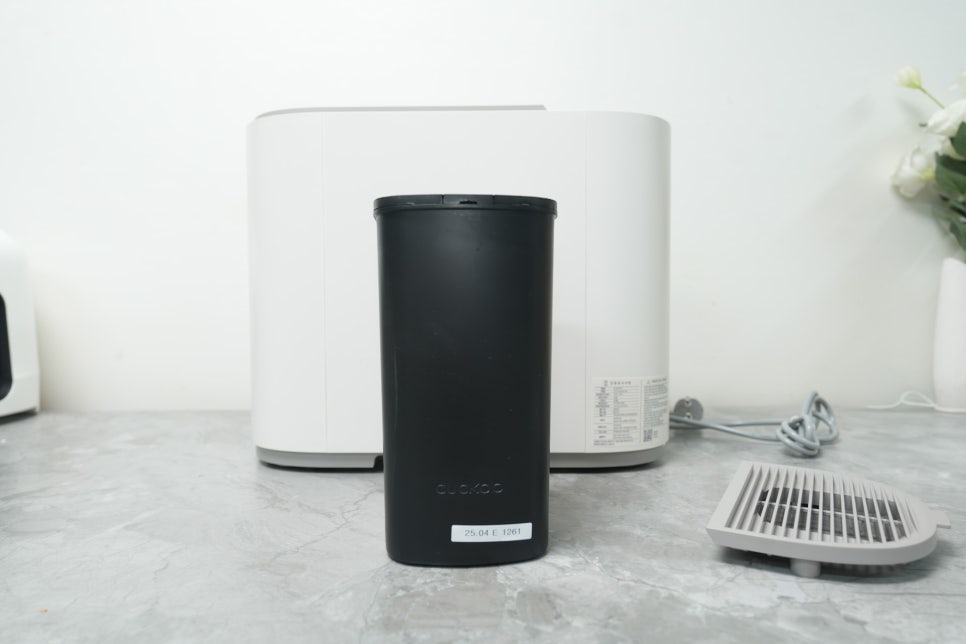
What stood out most before was that the number of times we had to take food waste out was significantly reduced. By managing that process inside the home, the overall kitchen upkeep changes.

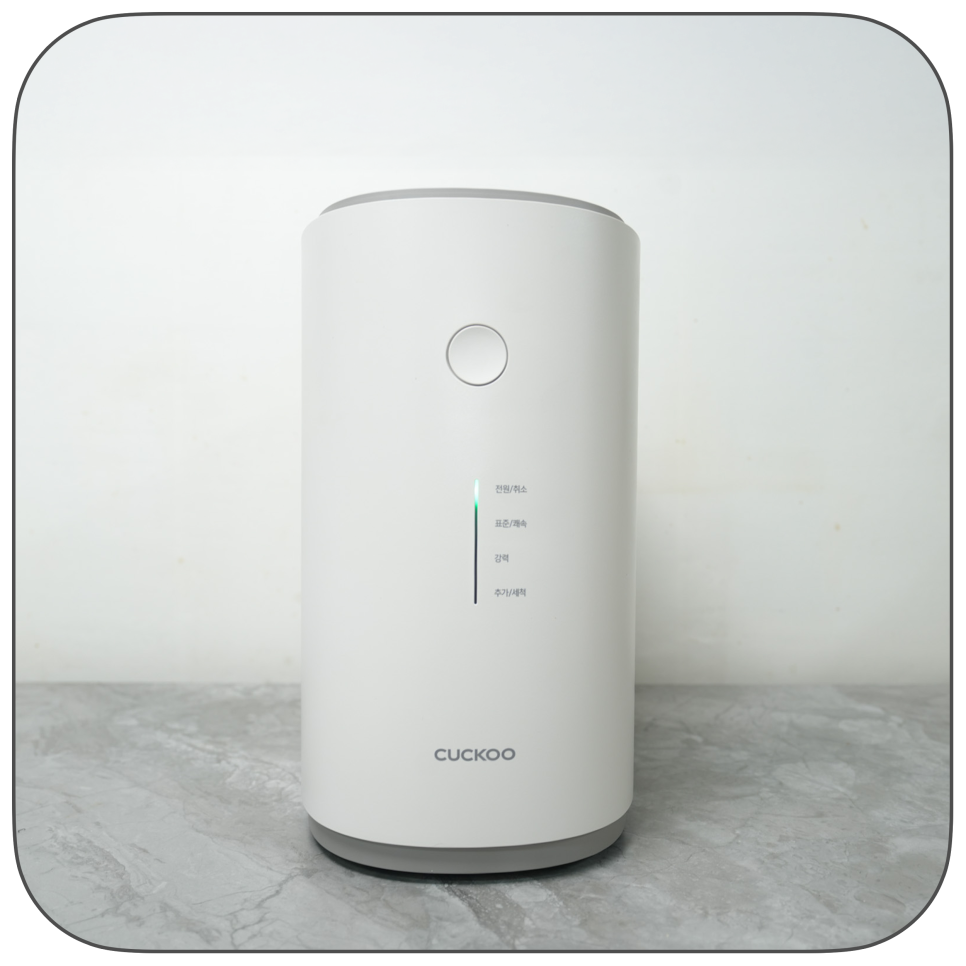
The model I’m reviewing now is the Cuckoo EcoWhale 2L dry grinding food waste processor in Grace White, model CFD-ENL201DCGW. Though the name is long, the key point is that it’s a standalone 2L-class dry grinding type.
Dry grinding type
Let’s first look at the dry grinding type separately since the user experience varies significantly depending on the processing method. Dry grinding food waste processors work by drying moisture-heavy food waste and finely grinding it before disposal. So, usage location and maintenance matter more than installation work.
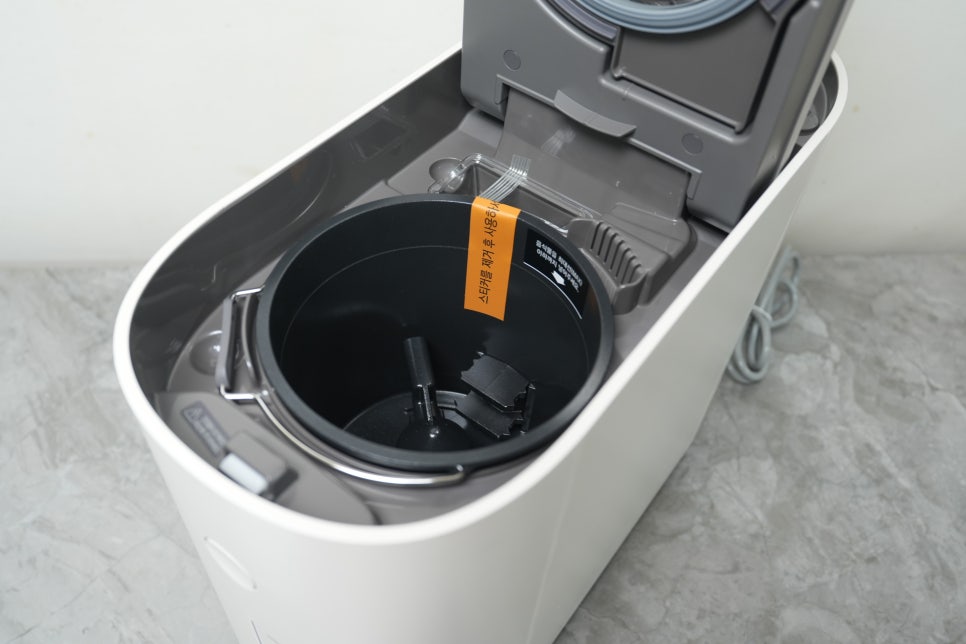
Since the CFD-ENL201DCGW is a standalone unit, it can be placed anywhere as long as there’s power, without hose connections. This is a practical advantage for environments like older villas or rented homes where modifying drainage pipes is difficult. However, standalone doesn’t mean you can put it anywhere—you need to consider easy access to the lid for adding and removing waste, as well as nearby power outlet placement. Regarding capacity, the 2L size may seem small, but for households that process food waste immediately after meals, it actually reduces burden. It fits well with a lifestyle of disposing of food waste right after dinner rather than accumulating large amounts.

For families like ours who have regular meals and occasionally order takeout or chicken on weekends, the processing rhythm was more important than capacity. If your home collects food waste all at once, you should also check whether multiple sessions to dispose of it are manageable. Noise and odor matter less numerically than considering when you operate the device. The product info states noise level at about 21.9dB. While that sounds quiet on paper, actual living habits play a bigger role—running it late at night requires extra thought.

From previous experience, I’ve learned that using such appliances immediately to prevent odors from rising is key. The activated carbon filter is consumable, so tracking replacement cycles is essential. This model reduces waste to a dry form after processing, making disposal feel different from regular food waste. Less moisture also makes bag tying much easier. However, for fish, heavily seasoned food, or ingredients with lots of liquid, it’s best to reduce moisture before inputting for easier management.
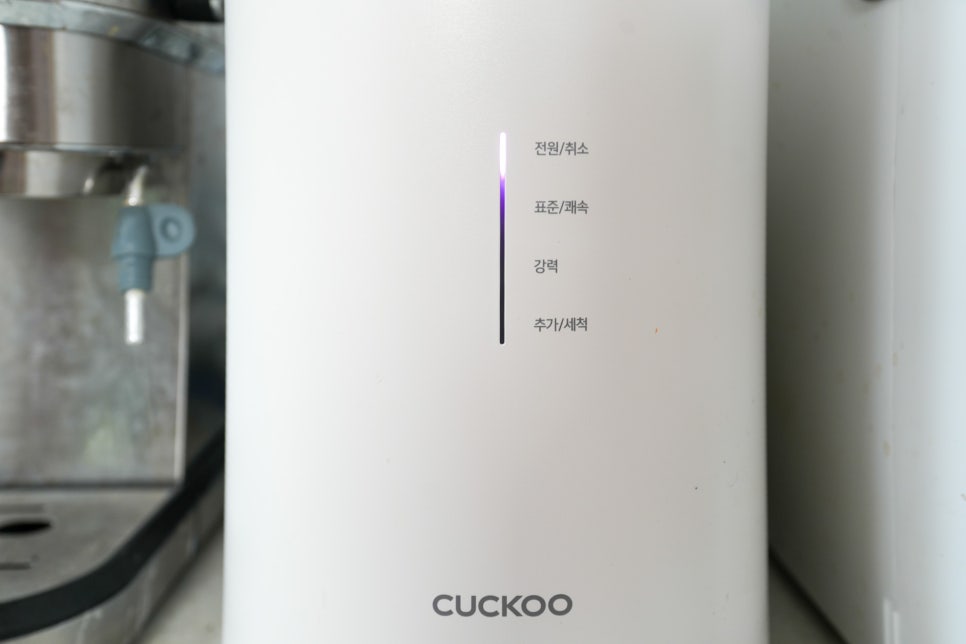
The Grace White color blends subtly into the kitchen. This model’s narrow width and elongated depth make it convenient to place on one side of the countertop. The dimensions are 199 x 348 x 445mm, so it’s a good idea to measure the spot before purchasing.
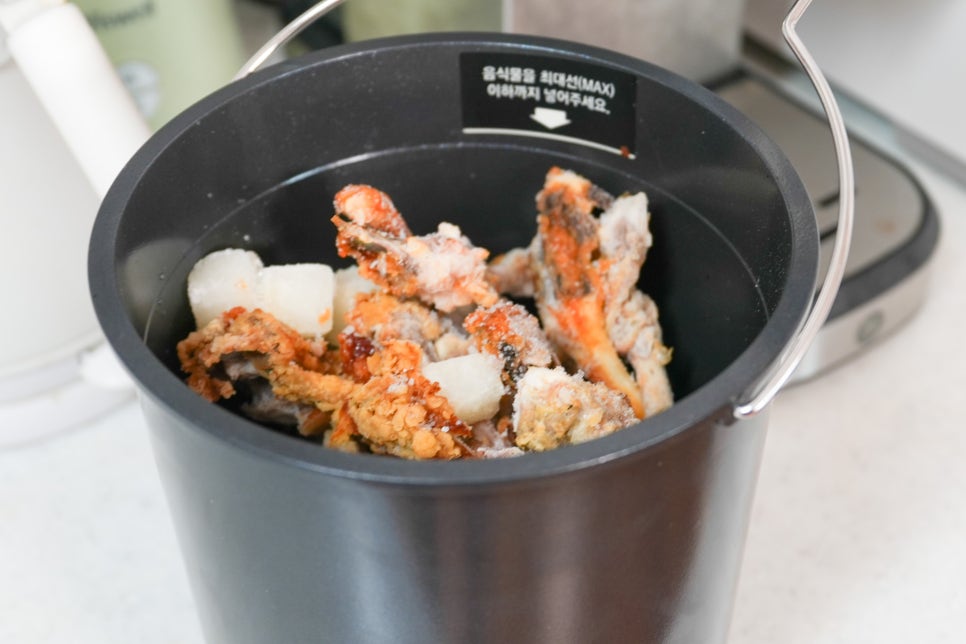
Before using, pay attention to the processing method, capacity, filters, and inner container maintenance. Although specs show several numbers, the types of food waste you dispose of frequently have a bigger impact. Foods with lots of juice or seasoning should be drained before use, and hard items should be broken down following product guidance. Also, pre-check the filter replacement schedule and where to purchase consumables for long-term ease.
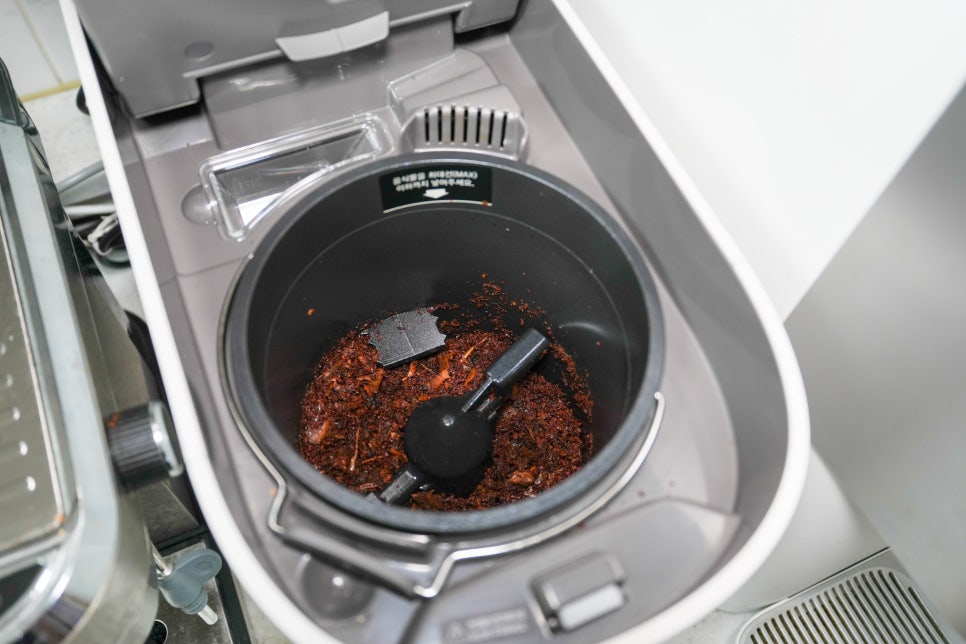
Who should consider this food waste processor?
It’s ideal for homes where food waste disposal is bothersome, for those sensitive to odors especially in summer, and for those wanting a standalone device without installation work. For households of 1 to 4 people generating small amounts daily, the 2L capacity can be realistically utilized. On the other hand, if you collect food waste over several days to process in one go, this method may not suit you. After purchase, emptying the inner container and managing filters remain necessary tasks, so don’t expect it to be completely hands-off. When recommending, I focus more on lifestyle patterns than just product names. This 2L model is worth considering if you want to reduce kitchen odors and waste disposal stress.

Conclusion
In conclusion, the Cuckoo CFD-ENL201DCGW food waste processor combines dry grinding technology, 2L capacity, standalone installation, and a Grace White design. Placement and disposal habits play even larger roles in actual use. From my long-term experience with previous EcoWhale models, I realized a food waste processor doesn’t replace kitchen cleaning but reduces the most tedious first step. Creating a routine of disposing of leftovers right after meals makes kitchen management much lighter. If you’re looking for a dry grinding type device, the Cuckoo EcoWhale 2L is a worthwhile option to check out. Before buying, make sure to review installation spots, filter care, and types of food waste you commonly discard.