.jpg?type=w966)
When looking at imported electric cars, the price range around 40 million KRW immediately catches your attention. Especially for a coupe-style SUV like the Volkswagen ID.5, if the subsidized price starts in the 40 million KRW range, many will want to compare it with domestic electric SUVs. However, deciding based solely on the price after subsidies can be difficult with electric vehicles. You need to consider your local government subsidies, the actual delivery time, charging options at home or work, and the convenience features offered by different trims to avoid future inconveniences. This post focuses on what to really look at beyond just the price of the 2026 Volkswagen ID.5.

The reason the 40 million KRW figure stands out is clear. When an imported electric SUV comes in under 50 million KRW, it becomes a serious contender against domestic electric and hybrid SUVs, prompting many to add it to their shortlist. But you shouldn’t rush to judge it as cheap. Electric car subsidies vary by region and timing, and you must check if the available budget for subsidies has already been exhausted.
Category
Official Selling Price
National Subsidy
What to Consider After Subsidies
ID.5 Pro Lite
52.99 million KRW
4.73 million KRW
With Seoul’s local subsidy added, the price starts from around 46.
8 million KRW
ID.5 Pro
61.407 million KRW
Actual price varies depending on local subsidies and purchase conditions
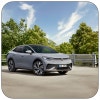
Driving Environment Suited for a Coupe-Style Electric SUV The Volkswagen ID.5 is a coupe-style electric SUV with a roofline that slopes lower at the rear compared to conventional boxy SUVs. This gives it a sleeker design and benefits airflow at higher speeds. Official documents also introduce the ID.5 as Volkswagen’s first E-SUV coupe.

This kind of vehicle suits drivers who prioritize daily commutes, family outings, and weekend long drives rather than maximizing cargo space. While rear headroom and trunk usability should ideally be checked in person, don't quickly assume it’s a small car just by appearance. Electric vehicle platforms dedicate floor space and wheelbase efficiently, often making the interior feel more spacious than the exterior might suggest.

What to Check Regarding Range and Charging Time The 2026 ID.5 Pro’s single-charge range is reported as 451 km (domestic combined standard). This range means you’re unlikely to need daily charging and can plan weekday commutes and weekend trips separately. However, the effective range might decrease if highway driving is frequent or if heavy heating is used in winter.

The battery is an 82.836 kWh NMCA pack, supporting up to 175 kW fast charging. It’s said that the battery can charge up to 80% in about 28 minutes using fast chargers. This is crucial for those frequently taking long trips. So, don’t just look at the driving range; also check if there are fast chargers along your regular routes and whether charging queues are typically long.

Why You Need to Distinguish Between Pro Lite and Pro The initial subsidized price tends to highlight the Pro Lite trim, which mainly serves as an entry point with a lower price. On the other hand, the Pro trim comes with a higher price but offers more color options, advanced convenience features, and a richer interior setup. When estimating costs, don’t focus only on the lowest price but also check which trim includes the features you actually need.

The interior features a 12.9-inch Discover Max display, illuminated touch slider, and wireless app connectivity. While battery and subsidies often take precedence for electric cars early on, daily use satisfaction is heavily influenced by screen usability, climate control, smartphone integration, and seat comfort. Overlooking these during test drives might lead to unexpected dissatisfaction later.