.jpg?type=w966)
Vanwall’s official site presents three versions of the Vandervell: H-GT, N-GT, and N-GT Thin Wall Special, all built on the E-GMP platform. Since E-GMP is the core architecture for Hyundai Motor Group’s electrified models, it naturally brings to mind the Ioniq 5 and its high-performance N variants.

Notably, the N-GT variant is reported to deliver 478kW of output, matching the Ioniq 5N’s peak power when using the N Grin Boost mode, which is 478kW (650 PS). That’s likely why some refer to it as a 'British version of the Ioniq 5 N' in videos and reviews. However, to be precise, it is not simply a UK-spec Ioniq 5 N made by Hyundai but rather a high-performance EV developed by Vanwall with a different body and brand philosophy.
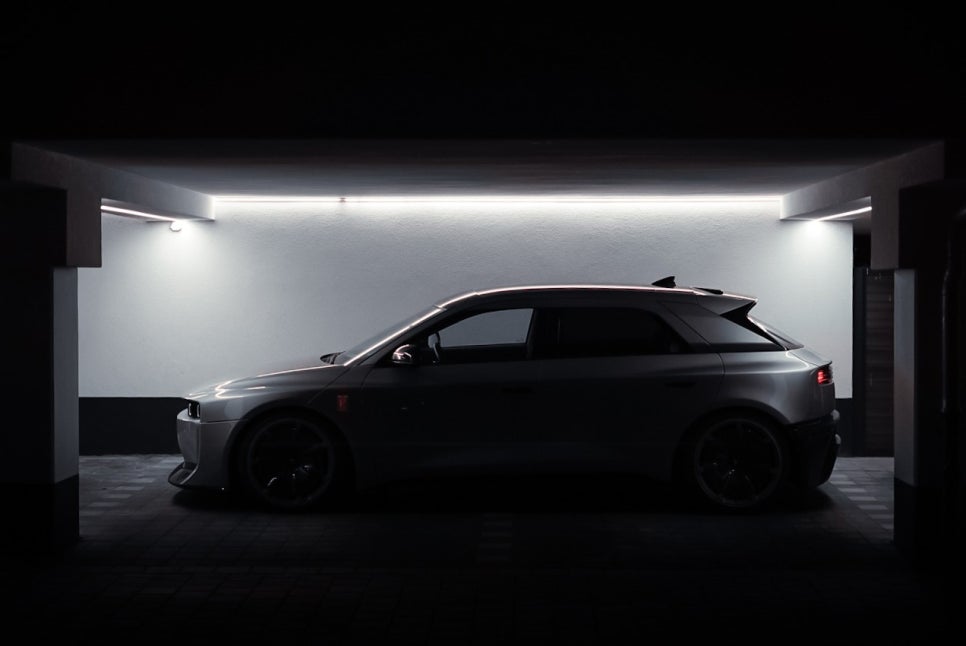
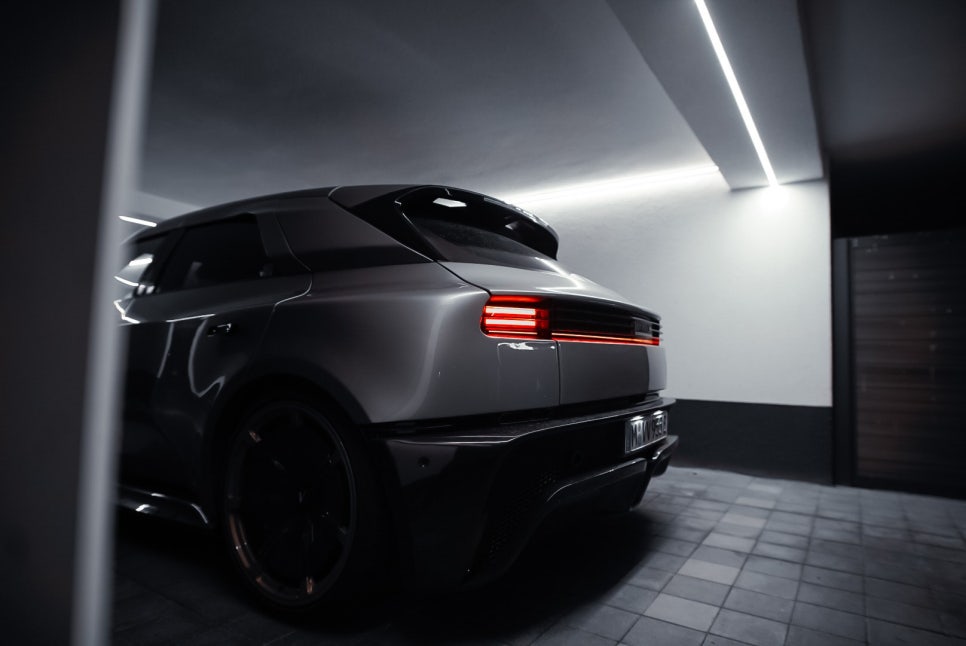
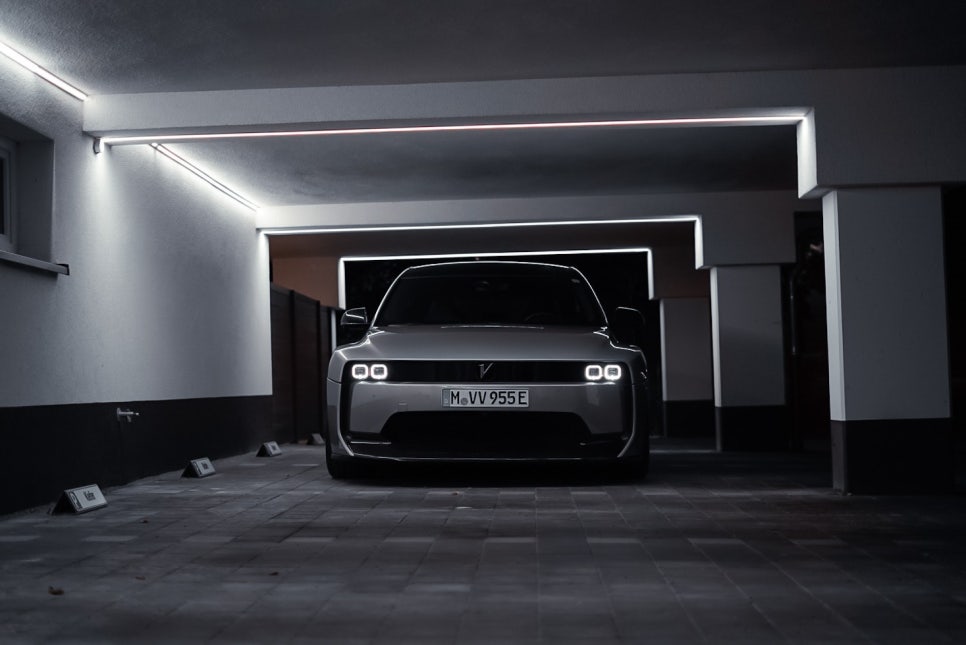
The exterior has taken on a rally car vibe. The front design is the first thing that stands out — it looks less like the pixelated design of the Ioniq 5 family and more like a low, angular rally hatchback. The boxy proportions, wide fenders, small lamps, and chunky bumper lines recall classic cars like the Lancia Delta Integrale. This design isn’t just for show; Vanwall emphasizes the carbon fiber bodywork, aerodynamics, and weight reduction. Battery electric vehicles tend to add weight structurally, but by redesigning body panels and focusing on lightweight construction, even with the same electric powertrain, the driving dynamics can be very different.
This is the key to what sets this car apart beyond the numbers.
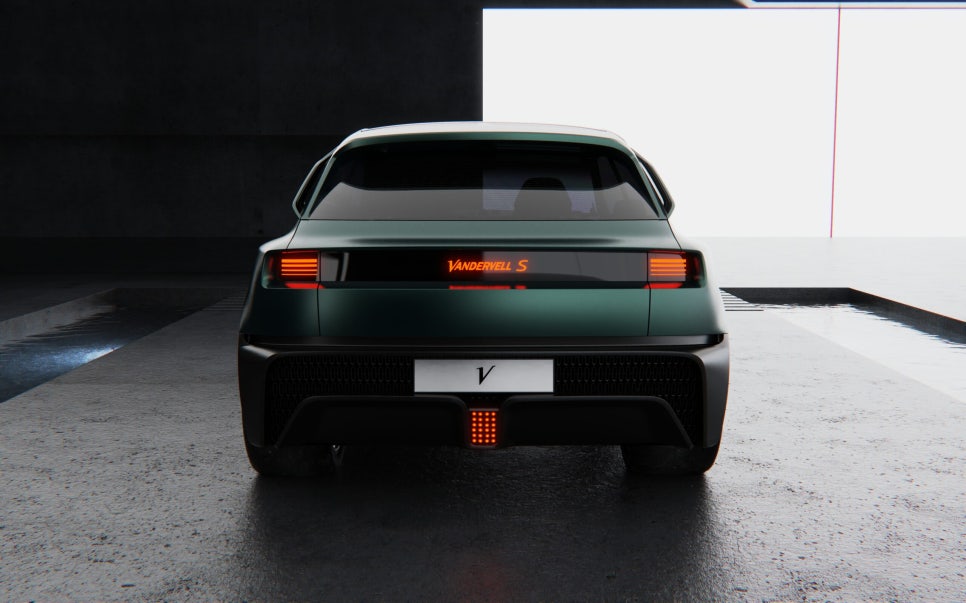
The price tag of around 200 million won mainly reflects the production method rather than just the car’s value. Motor1 reported that the base price of the Vandervell is €128,000 before VAT. Applying recent exchange rates roughly puts it in the low 200 million won range, and the final cost including taxes, options, and delivery conditions would likely be higher. Compared to typical electric car price lists, it can seem quite expensive.

But rather than a mass-produced electric SUV, this is closer to a limited-run, custom-build model. The official description mentions premium features like 22-inch wheels, Connolly leather, velour materials, and bespoke manufacturing tailored to customer requests. Even on the same platform, differences in body, interior, and production method change the pricing structure compared to mass-market cars.
Key points when comparing to the Ioniq 5N:
The Ioniq 5N is a high-performance electric car developed directly by Hyundai. It features an 84kWh battery, an 800V system, dual-motor AWD, and exclusive features like N e-Shift and N Active Sound. It’s also designed with track use in mind, including enhanced cooling, braking, and body reinforcement, which adds to its completeness and accessible service network.

On the other hand, the Vanwall Vandervell builds on similar core tech but adds rarity and unique design. For consumers in Korea considering a purchase, it’s crucial to first check sales channels, warranties, maintenance, and parts availability. Especially for imported limited models, upkeep and service often matter more than acquisition. Instead of just admiring the striking exterior, buyers should also account for repair and battery service considerations.

Why this car is interesting:
Looking at the car market over time, platform sharing is not necessarily a bad thing. Even in the internal combustion era, very different cars emerged using the same engines and chassis. In the electric era, this role is taken over by battery platforms and motor configurations. The Vandervell provides a pretty extreme example of this trend.

It also signals that Hyundai Motor Group’s electrification technology has become competitive enough to be used by other brands’ high-performance projects. The Ioniq 5N isn’t just a fast car; it has become a foundation that other brands want to build on by putting their own bodies on it. This point is quite meaningful when observing the automotive industry’s direction.
Summary:
The Vanwall Vandervell isn’t just an Ioniq 5N with a different name. It’s a model that combines Hyundai Motor Group’s E-GMP and high-performance electric powertrain with Vanwall’s carbon fiber body, rally car styling, and limited production approach. Calling it a 'British version of the Ioniq 5 N' is easy to understand but, in reality, it’s more like a European-style coach-built EV. While few will likely consider it a direct purchase candidate, it’s definitely worth seeing as a case study for how electrified models could evolve. Even on the same platform, changing the body, weight, design, and brand interpretation can create a completely different vehicle. Fans of the Ioniq 5N will find the Vanwall Vandervell an intriguing look at how far Hyundai’s electric tech can be expanded.