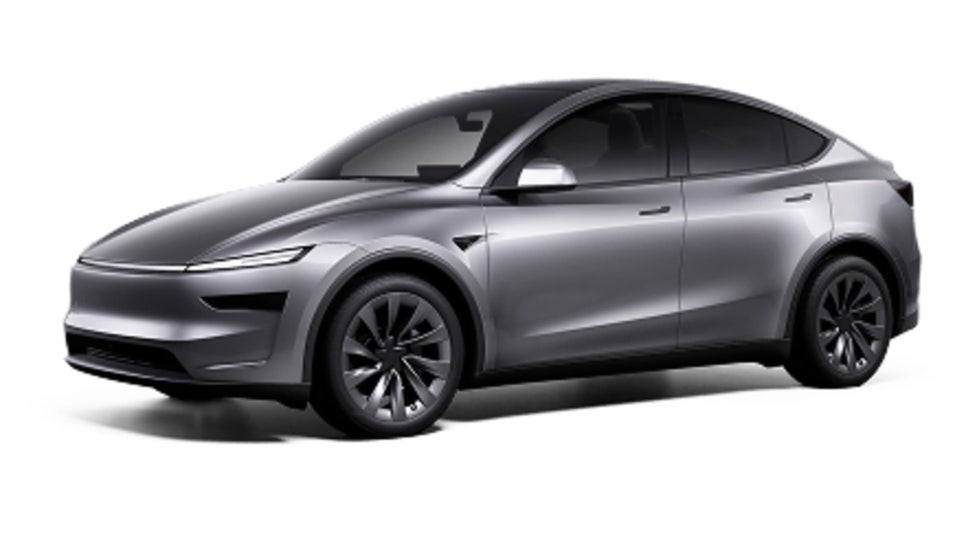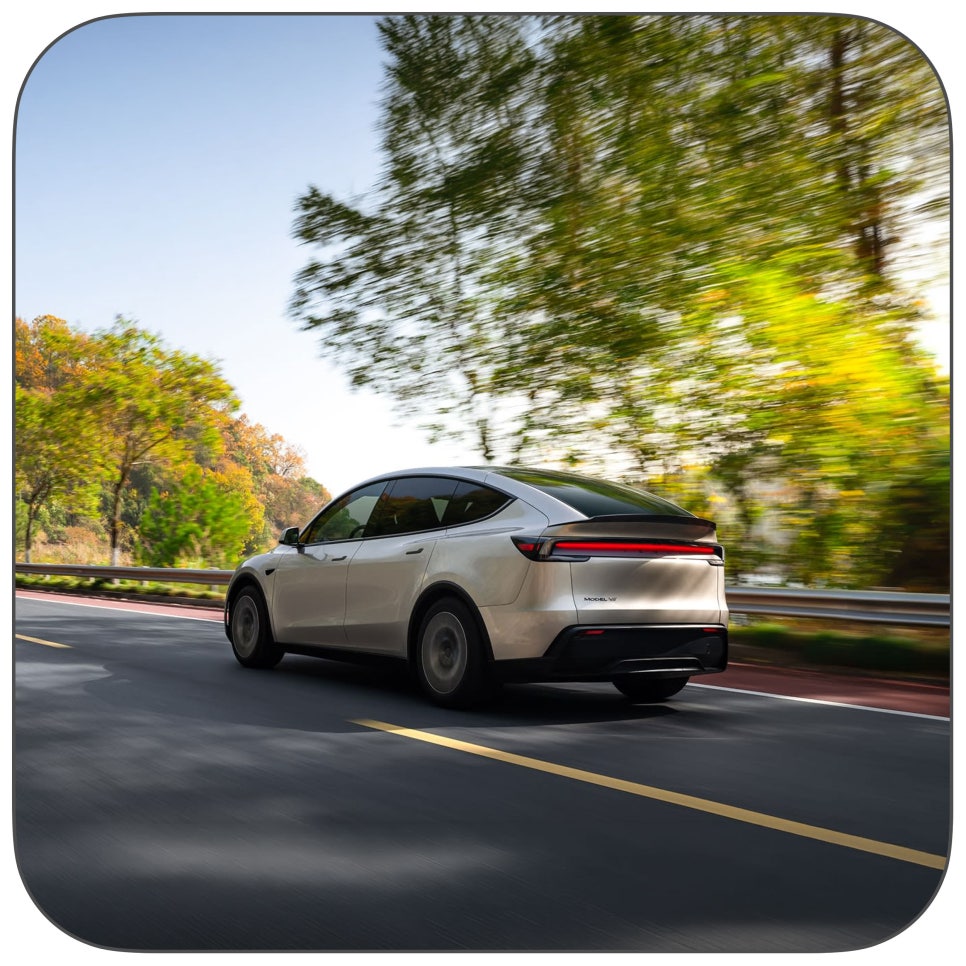
Europe is known for its relatively strict standards regarding driver assistance features. This is because road signs, lane structures, roundabouts, and pedestrian flows vary between countries, and feature names can create misleading expectations for drivers. Therefore, Tesla's gradual approval process from country to country reflects not only the technology's progress but also regulatory and liability considerations. The starting point was the Netherlands' RDW formal approval. On April 10, 2026, RDW approved FSD Supervised as a driver assistance system but clearly distinguished it from a system where the vehicle drives itself. While other European countries are following this trend, it does not mean the feature can be freely used across the entire EU just yet.
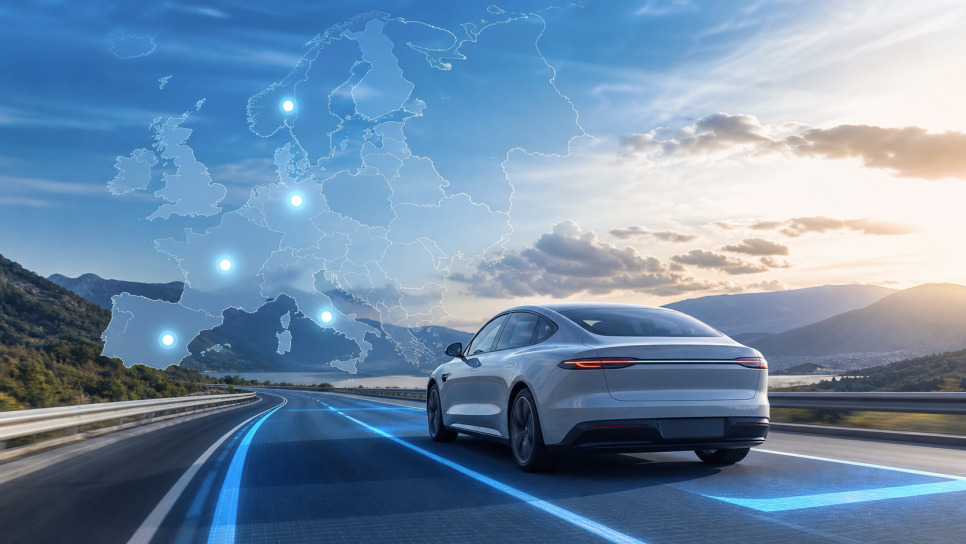
Image source: Automotive World This latest expansion should also be viewed as a process where individual countries approve the system. The approved feature remains an assistance system where the driver must stay engaged. When reading this news domestically, it's more accurate to interpret it as 'how far driver assistance is allowed' rather than 'autonomous driving has been released in Europe.'
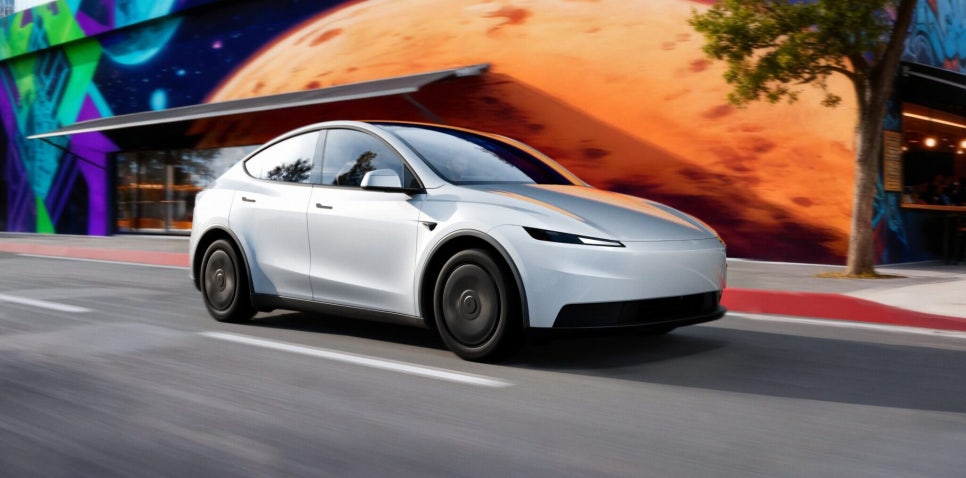
The key term here is 'Supervised.' While FSD stands for Full Self-Driving and sounds powerful, the features currently available to general consumers require the driver to intervene immediately if needed. Tesla's official descriptions treat both Autopilot and FSD Supervised as driver assistance systems that require full involvement from the driver.

This distinction is crucial. These features don’t allow the driver to take their hands off the wheel and check their phone; instead, the car supports decision-making, but the driver remains ultimately responsible. On real roads, there are constantly changing variables like construction zones, faded lane markings, merging vehicles, motorcycles, and pedestrians. In such scenarios, if the system hesitates or behaves unexpectedly, the driver must take control immediately.
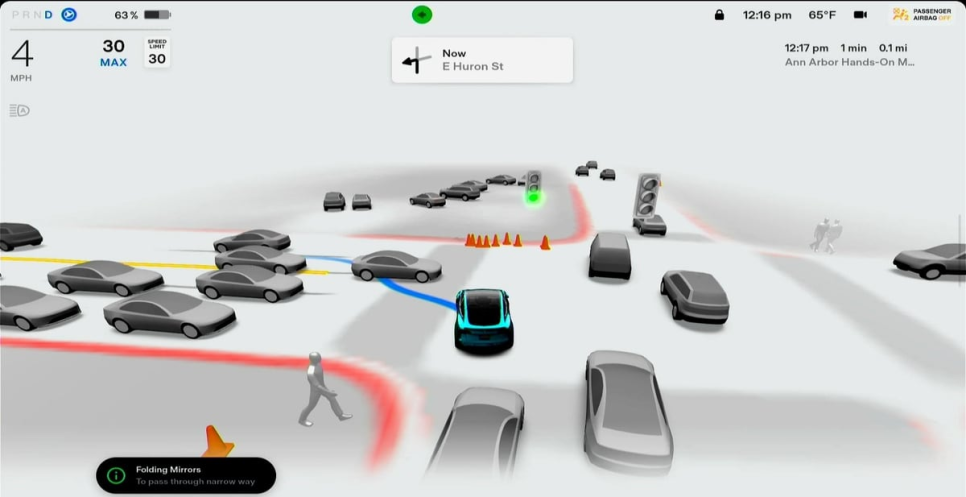
One often overlooked aspect in autonomous driving news is that while attention tends to focus on the number of approved countries or feature names, from a driver's perspective, practical issues like operating scope, warning methods, intervention timing, insurance, and liability are far more relevant. As these functions improve, drivers are prone to complacency, which must also be considered.
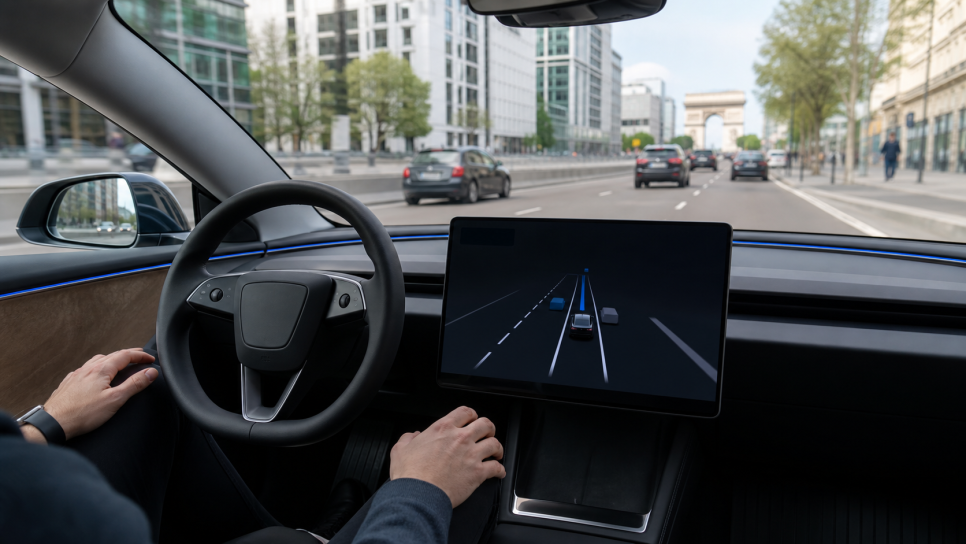
Image source: The Verge The European Transport Safety Council expresses concerns about the rapid approval trend. Their main point isn’t to block the technology but to reduce situations where drivers overtrust the system. When used properly, driver assistance can reduce fatigue and enhance safety. However, blindly relying on feature names can create dangerous moments.
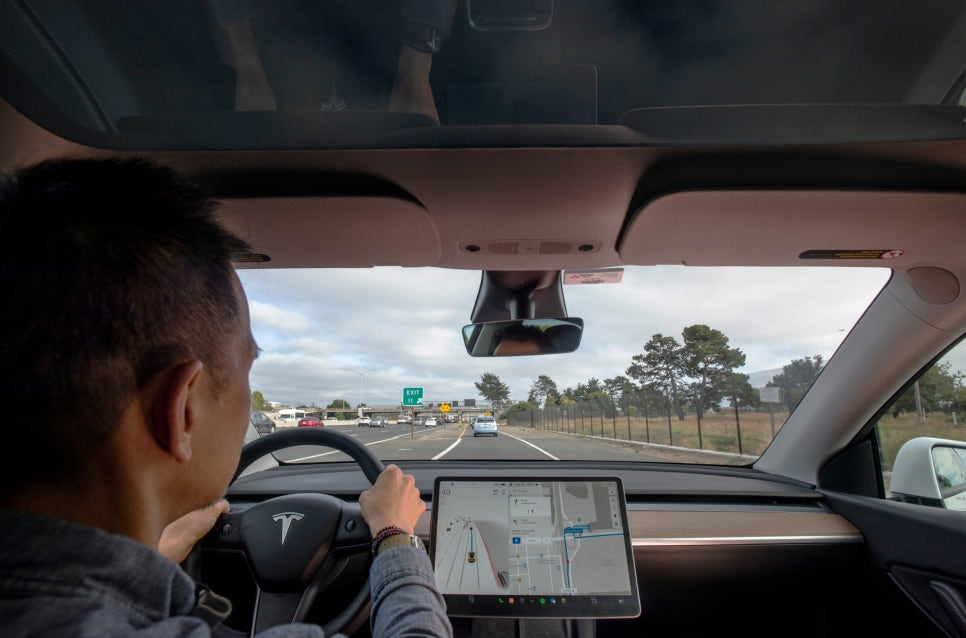
For domestic drivers encountering this news, especially those driving Tesla or other electric vehicles, it's better to see the European FSD approval not as an immediate rollout at home but as a signal that vehicle software is playing a bigger role in car choice. In the past, things like power, battery, range, and charging speed came first; now, driver assistance features and update policies matter just as much. More importantly, be sure to check actual usage conditions over feature names. Key questions include whether the system mainly supports highway driving, if it works in urban intersections, how it detects driver attention and hand position, and whether there are limits in rain or snow. Without this, it’s easy to make decisions based solely on option prices. These factors must also be verified when buying new or used cars, as hardware configurations, subscription statuses, and regional activation can differ within the same model. Simply seeing a feature name on the screen doesn’t mean it works uniformly on all roads. It’s wise to separate available functions from restrictions before purchasing.
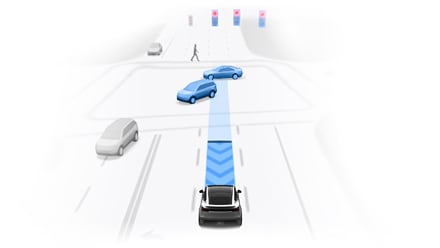
Another important point is the experience when driving with family. The driver may feel comfortable trusting the system, but passengers might perceive sudden braking or lane changes more intensely. Driver assistance features must ensure everyone in the vehicle feels secure to be sustainable in daily use. If you test drive, compare the experience with the features on and then with manual driving. After getting used to assistance, you should still be able to naturally maintain lanes, accelerate, and brake smoothly for the system to truly reduce driving strain.
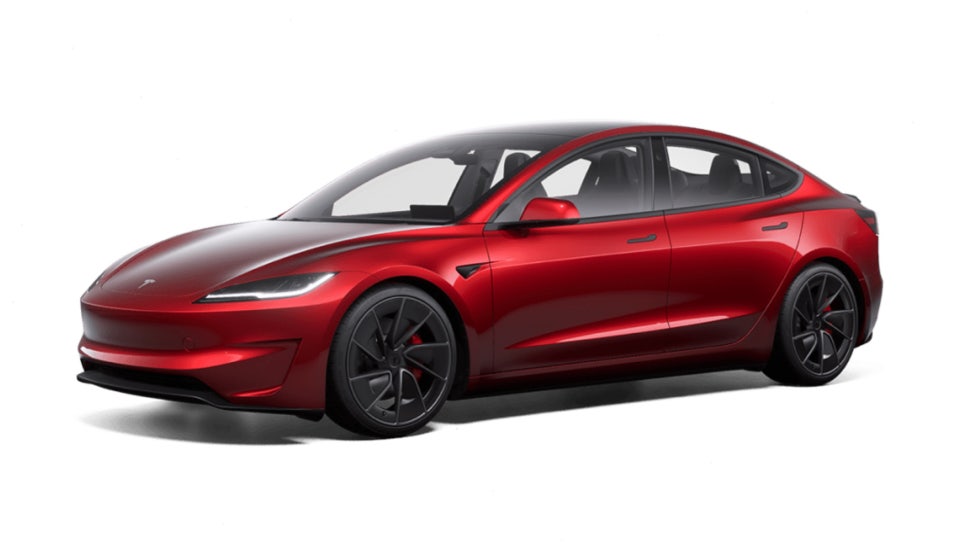
Tesla FSD's expanding approval in Europe signals the shift toward software-centered cars. However, at this stage, the more important phrase isn’t full autonomy but driver supervision. While improved features can make driving easier, the driver’s responsibility does not disappear.

When considering Tesla FSD, don’t focus solely on how quickly technology advances. Also assess how naturally it works on your actual roads and if you’re always ready to intervene during unexpected situations. Autonomous driving isn’t some distant future tech—it’s already changing driving habits. Now is the time to calmly discuss how much trust is appropriate, rather than whether to trust it at all.