.jpg?type=w966)
Why Batteries Weaken in Summer
While batteries are often seen as weaker in cold temperatures, heat also takes a toll on their lifespan. Enduring the hot engine bay along with increased use of air conditioning and electrical components can disrupt the charge-discharge balance. Short trips make matters worse—each engine start draws a large current, and if the battery doesn’t get fully recharged before the next start, it gradually drains. This explains why drivers with short daily commutes often face repeat battery drain.

What to Check
First Things to Inspect
Evaluation Criteria
Starting Voltage
Battery Condition Before Starting
Low voltage readings suggest insufficient charge or aging
Starting Response
Starter Motor Strength
Slow or labored cranking indicates the need for inspection
Usage Environment
Frequent short trips, long parking periods
Possible lack of sufficient charging time
Constant Power Draw
Dashcam, chargers
Check cutoff voltage and wiring
Check Voltage Before Long Trips
Before long drives, people often check tire pressure or coolant but neglect battery voltage. Checking battery voltage beforehand can prevent unexpected starting delays. You can measure it yourself with a multimeter or get a simple load test at a service center.
It’s important not to judge from a single number alone. Observing the voltage before starting, voltage drop during cranking, and charging voltage after starting together helps determine if the issue lies with the battery, alternator, or wiring.

Dashcam Parking Mode Can Be a Drain
During summer vacations, cars are often parked for days in airport or resort lots. If the dashcam’s parking mode runs continuously, it can quickly drain the battery.
Parking recording itself isn’t bad, but if the cutoff voltage is set too low, parking recording time is too long, or the auxiliary battery is poorly charged, it can strain the main starting battery. If you plan a long-term parking, it’s wise to check your dashcam settings first.

Signs Before Complete Drain
Batteries often give small warning signs before fully failing. If locking the doors responds slowly, interior lights are dimmer than usual, or the dashboard flickers briefly when pushing the start button, don’t ignore these signs.
Once a battery has been drained, it may never fully recover even after charging. If the battery is over three years old or has experienced repeated drain, consider replacing it. Batteries often work until one day they suddenly cause inconvenience.

12V Batteries Matter in Electric Vehicles Too

While electric vehicles are mostly associated with their high-voltage batteries, the 12V battery also plays a crucial role in unlocking doors, powering systems, and running various electronics. Even if the high-voltage battery is fine, a weak 12V battery can prevent the vehicle from waking up properly.

When evaluating used electric cars, don’t only check the high-voltage battery but also verify the 12V battery replacement and drain history. Electric vehicles are not completely immune to battery drain issues.
Post Jump-Start Care is Crucial

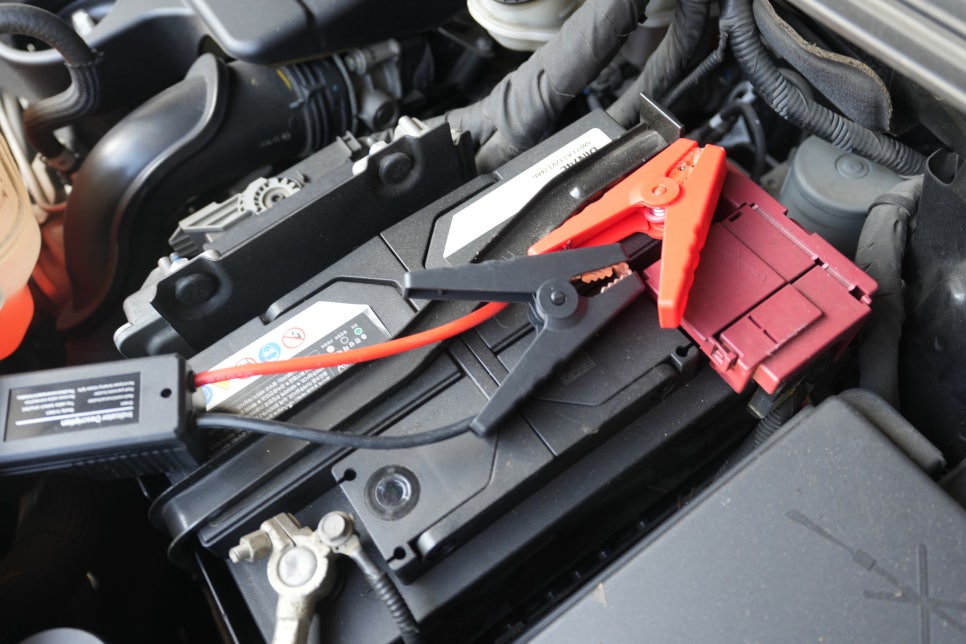
Starting the engine via jump-start is only the first step. Afterward, it’s essential to drive long enough to recharge fully and monitor if the starting response weakens again within a few days.